

The Natural Trails of the Atlas Mountains: Paths Through Time
The Atlas Mountains are more than a natural wonder; they are a living bridge to the past. Each step along their trails leads to encounters with landscapes that inspire awe and villages that carry the weight of centuries-old traditions.

.avif)
Introduction
In the heart of North Africa rises a mountain chain that shapes the spirit of Morocco: the Atlas Mountains. Stretching across the country, these mountains are more than just dramatic landscapes — they are gateways to timeless villages where traditions, stories, and ways of life remain beautifully preserved. From snow-capped peaks to fertile valleys, the Atlas offers journeys that blend adventure, culture, and authenticity.
The Natural Trails of the Atlas Mountains
Hiking these trails reveals shifting sceneries — lush valleys, hidden waterfalls, and ancient paths etched into stone cliffs.
Villages Frozen in Time
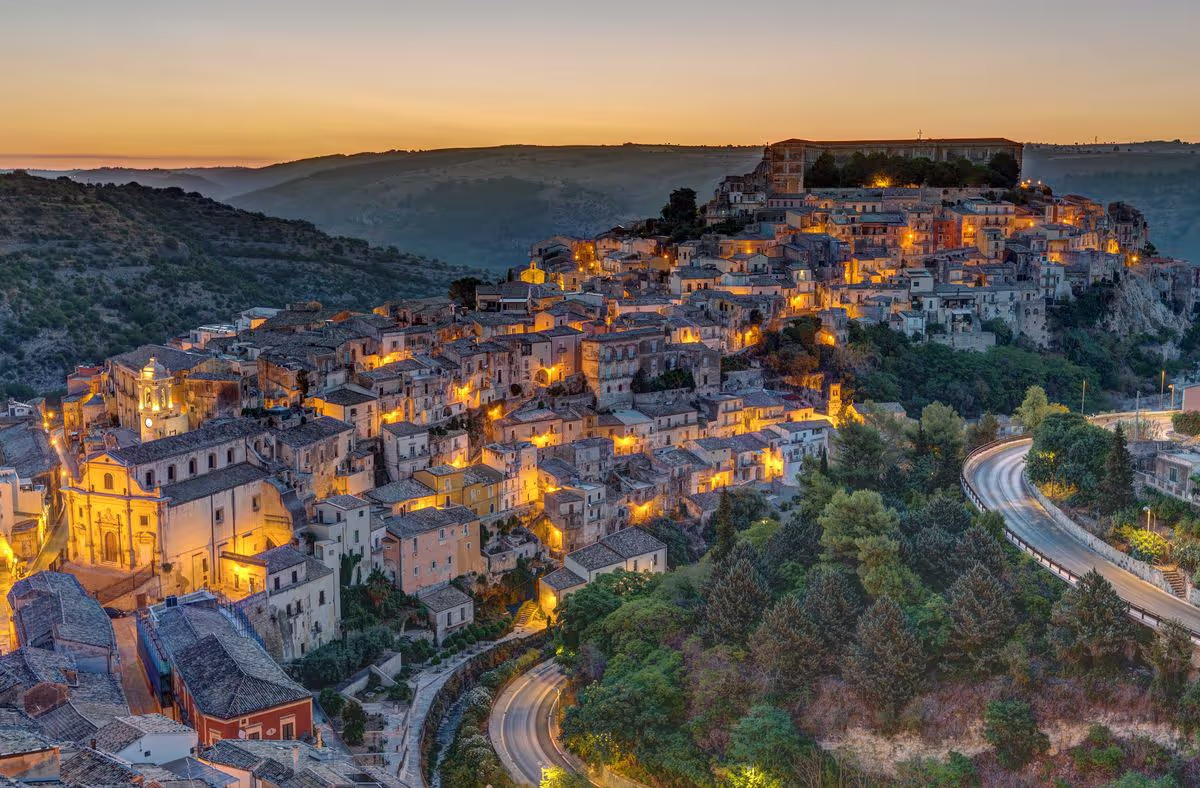
Beyond the peaks, the Atlas is home to Berber villages, where life flows at a rhythm that has changed little over centuries. Built from clay and stone, the villages blend seamlessly with the mountainsides.
.avif)
Berber Culture & Hospitality
The Berbers (Amazigh people), indigenous to North Africa, have long called the Atlas home. Their traditions, language, and music echo through the valleys. Visitors are often welcomed with warm mint tea, fresh flatbread, and an open-hearted hospitality. Daily life is grounded in the land — terrace farming, goat herding, and weaving carpets that are both functional and symbolic works of art.
Why the Atlas Journey Feels Different
- Authenticity — Villages are lived-in, not staged for tourism.
- Nature + Culture — Every trail is both a scenic and cultural journey.
- Adaptable Adventure — Perfect for serious trekkers or slow travelers seeking immersion.
Tips for Exploring the Atlas Mountains
- Best Time to Visit: Spring (March–May) and autumn (September–November) offer ideal weather.
- Local Guides: Hiring Berber guides enriches the experience while supporting village economies.
- Physical Prep: Some trails are demanding, so bring good gear and stamina.
- Respect Traditions: Dress modestly, ask before photographing people, and buy local crafts directly from artisans.
💡Pro tip: Base yourself in Imlil for flexible day hikes, or plan a multi-day trek with a licensed guide to reach remote villages.
Conclusion
The Atlas Mountains are more than a natural wonder; they are aliving bridge to the past. Each step along their trails leads to encounters with landscapes that inspire awe and villages that carry the weight of centuries-old traditions. For adventurers and culture seekers alike, the Atlas Mountains truly aretrails to timeless villages.
.avif)
.avif)
Subscribe to stay inspired.
Stories, ideas, and slow journeys - from hidden villages to distant valleys, straight to your inbox.
.avif)