


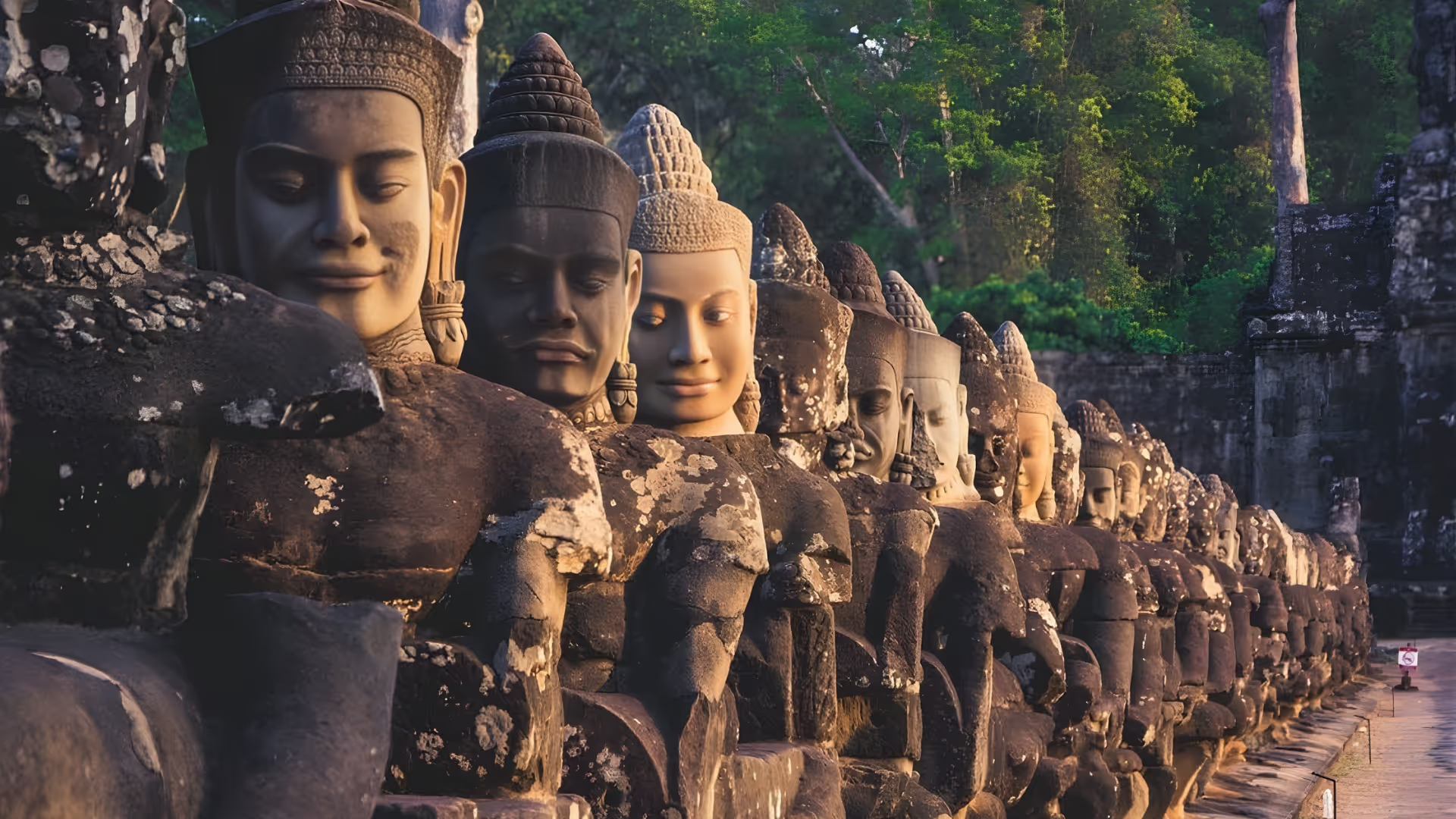
Where rivers, villages, and forests meet
Cambodia is where the Mekong sets the pace, guiding daily life through floods, fields, and fishing cycles.
Cambodia, Between Water and Stone
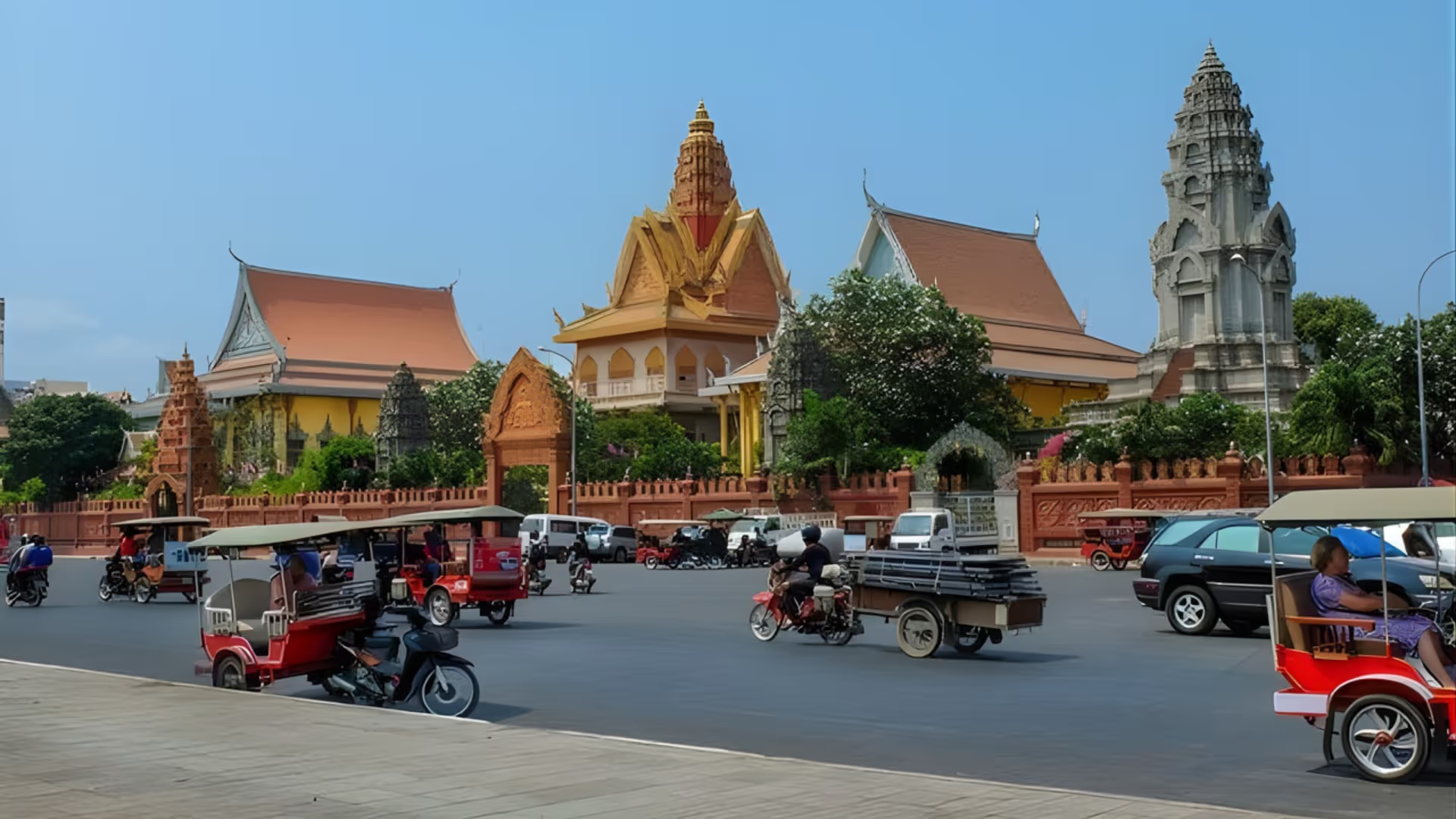
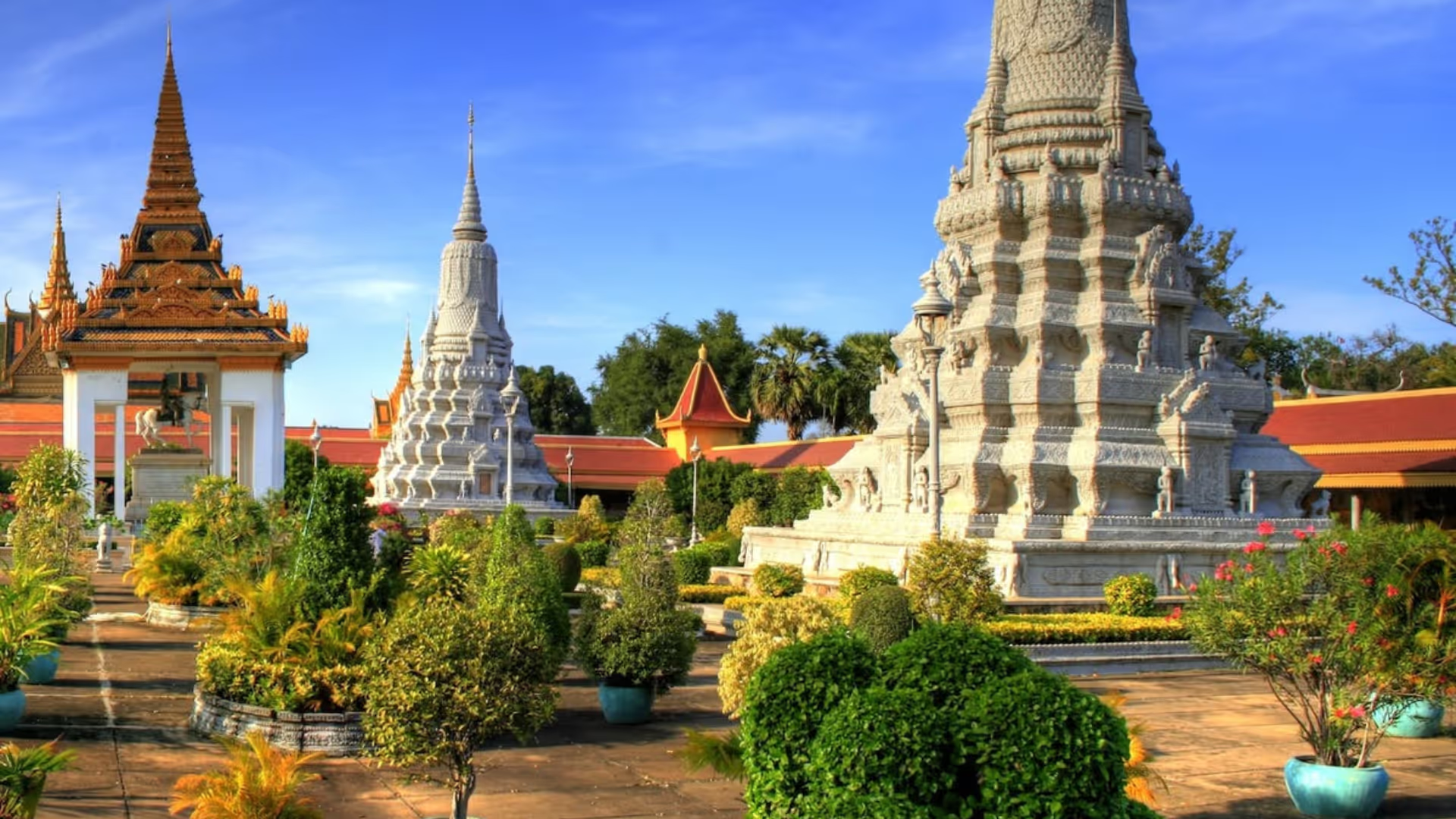
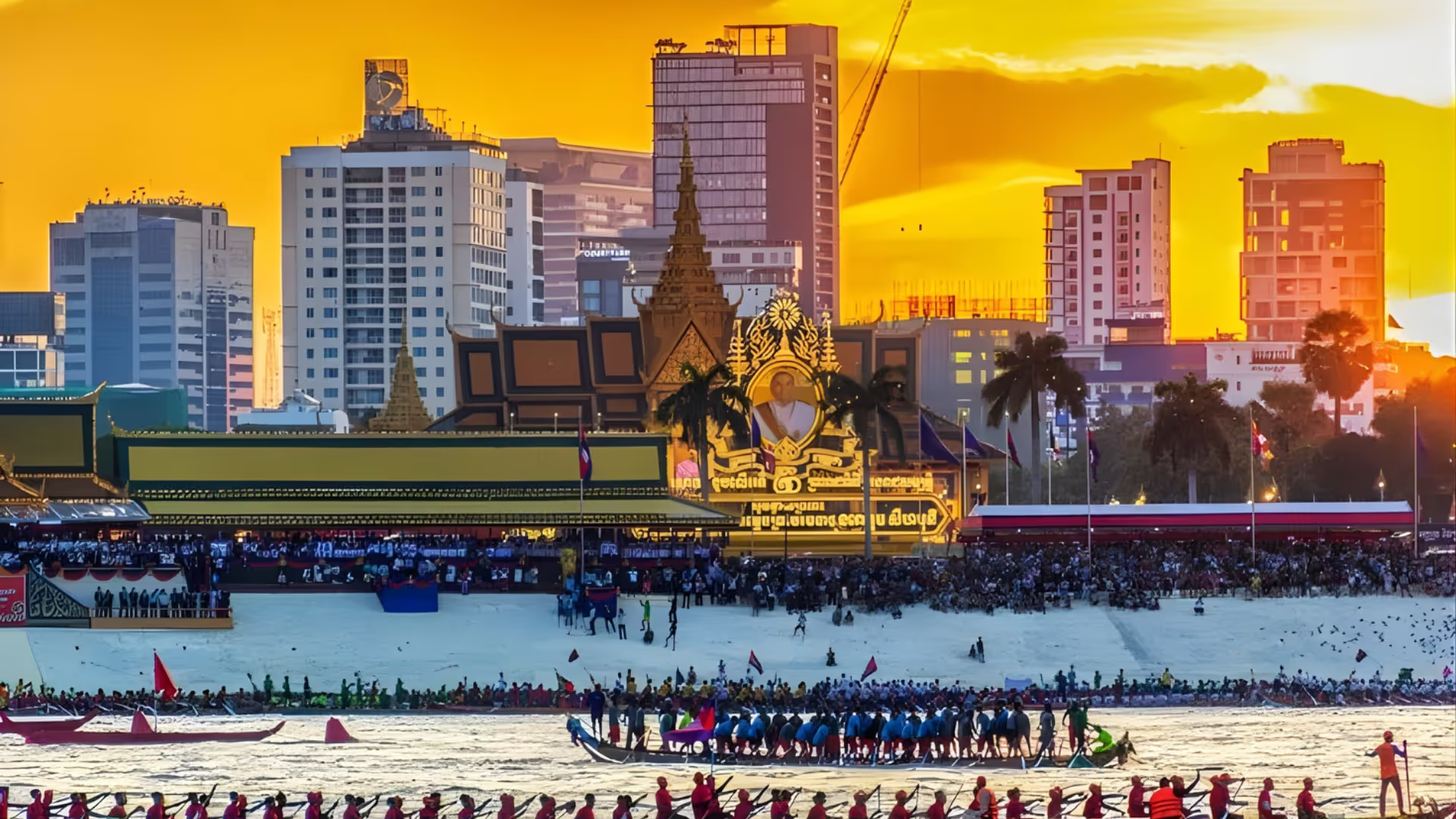
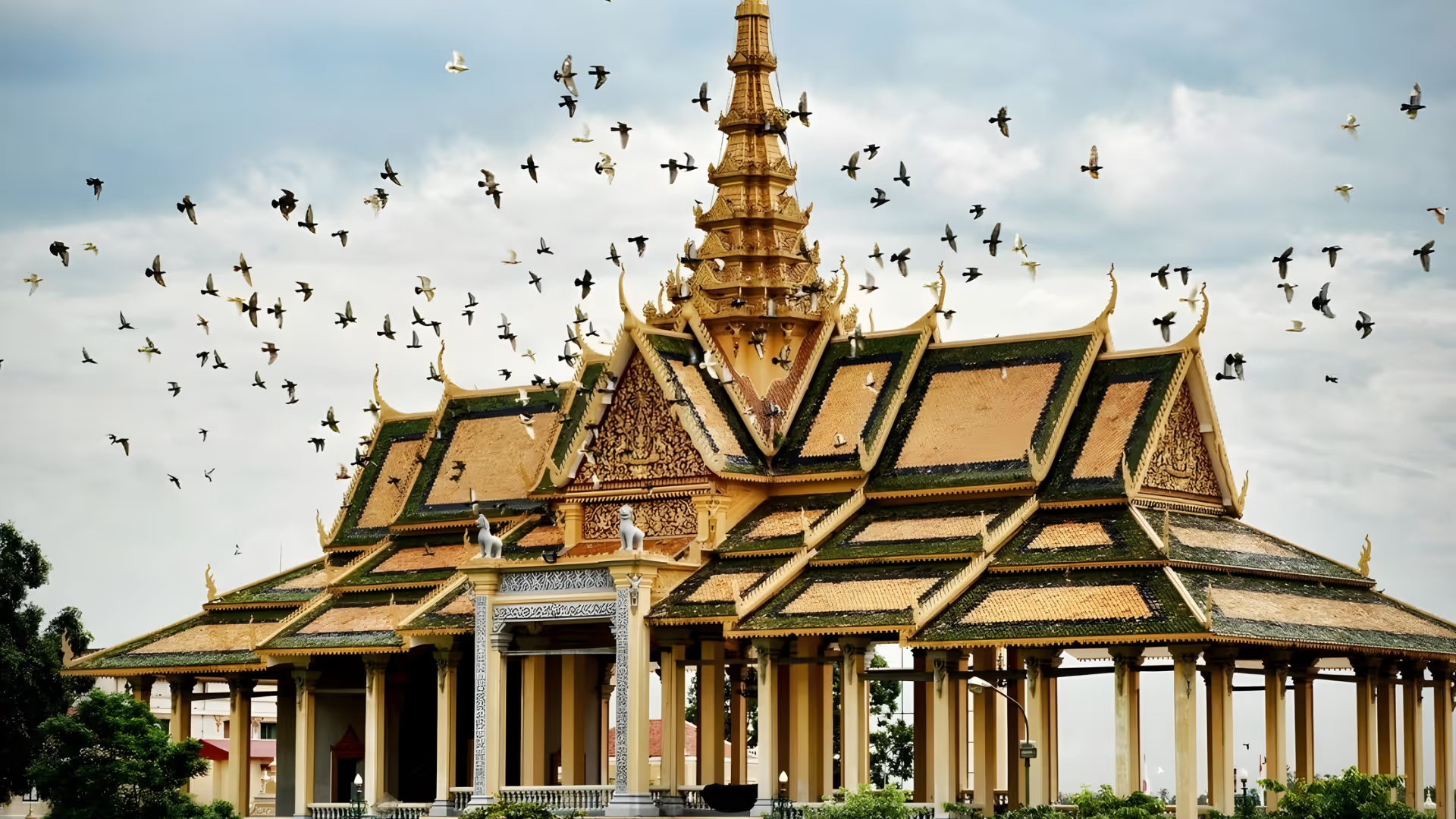
Cambodia sits in the southern stretch of Indochina, defined by the water that feeds it. It is often reduced to the temples of Angkor, but the reality is more layered. You feel it in Phnom Penh, where French colonial buildings and golden temple roofs stand near the memory of a darker recent history.
On the water, the pace shifts. The Tonlé Sap lake is the lifeblood. It expands and contracts with the rains, regulating the country’s heartbeat. Farmers work the paddies as they have for centuries. To travel here is to move between the scale of ancient empire and the simplicity of the village.
Cambodia rewards the traveller who looks past the main gates. It is not just about the monuments. It is about the humidity, the green light in the jungle, and the resilience of a people who have rebuilt their world.
SIGNATURE EXPERIENCES
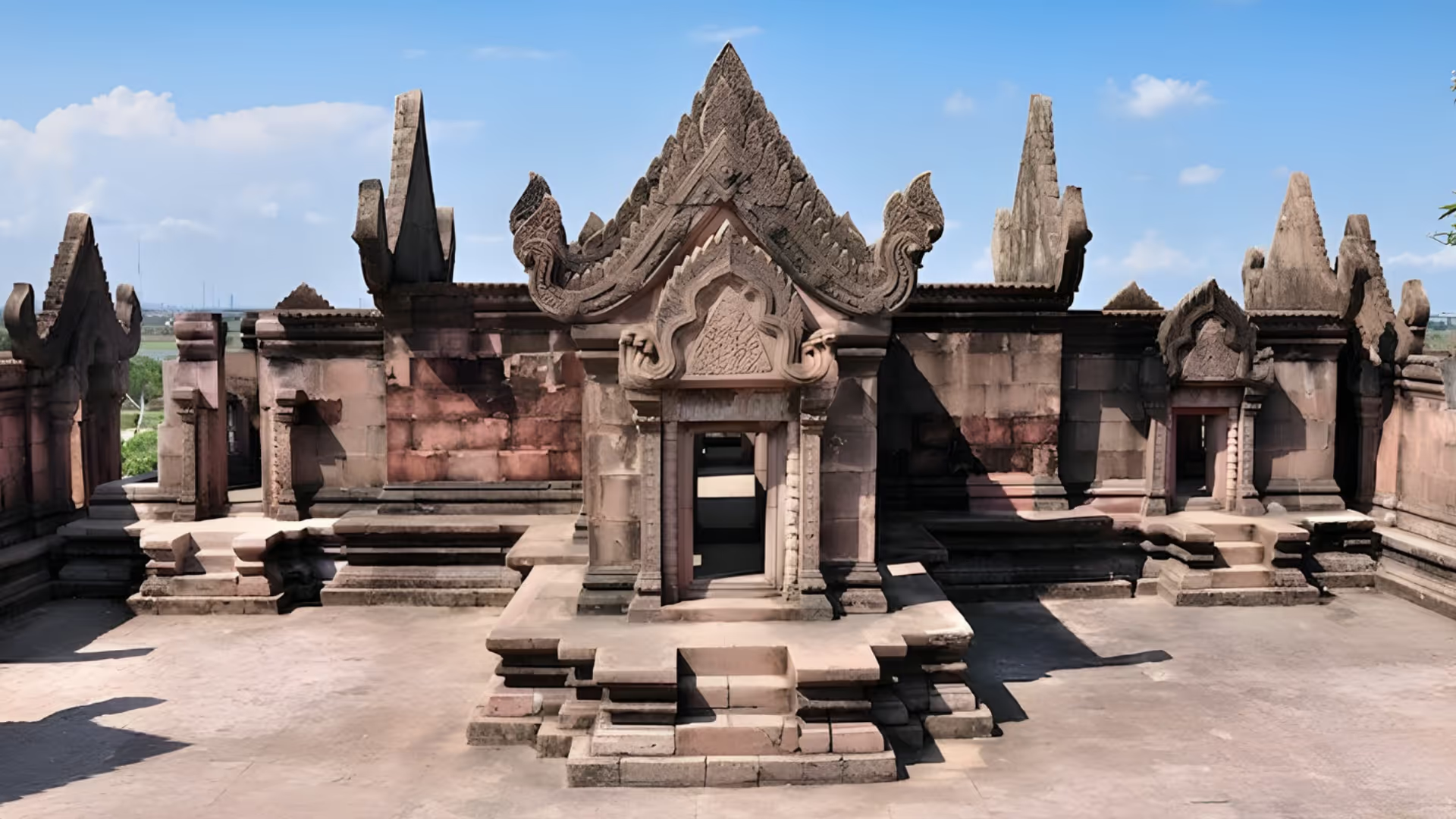
Prasat Preah Vihear
Travel to the Thai border to find this mountain temple. It lacks the crowds of Angkor and offers sweeping views from the cliff edge. The journey is long but rewards you with solitude and scale.
Kampot Pepper Farms
Visit the southern plantations to understand why this spice is world-famous. Walk the rows of vines and taste the difference between black, red, and white pepper. It is agricultural history you can eat.
Quiet Floating Villages
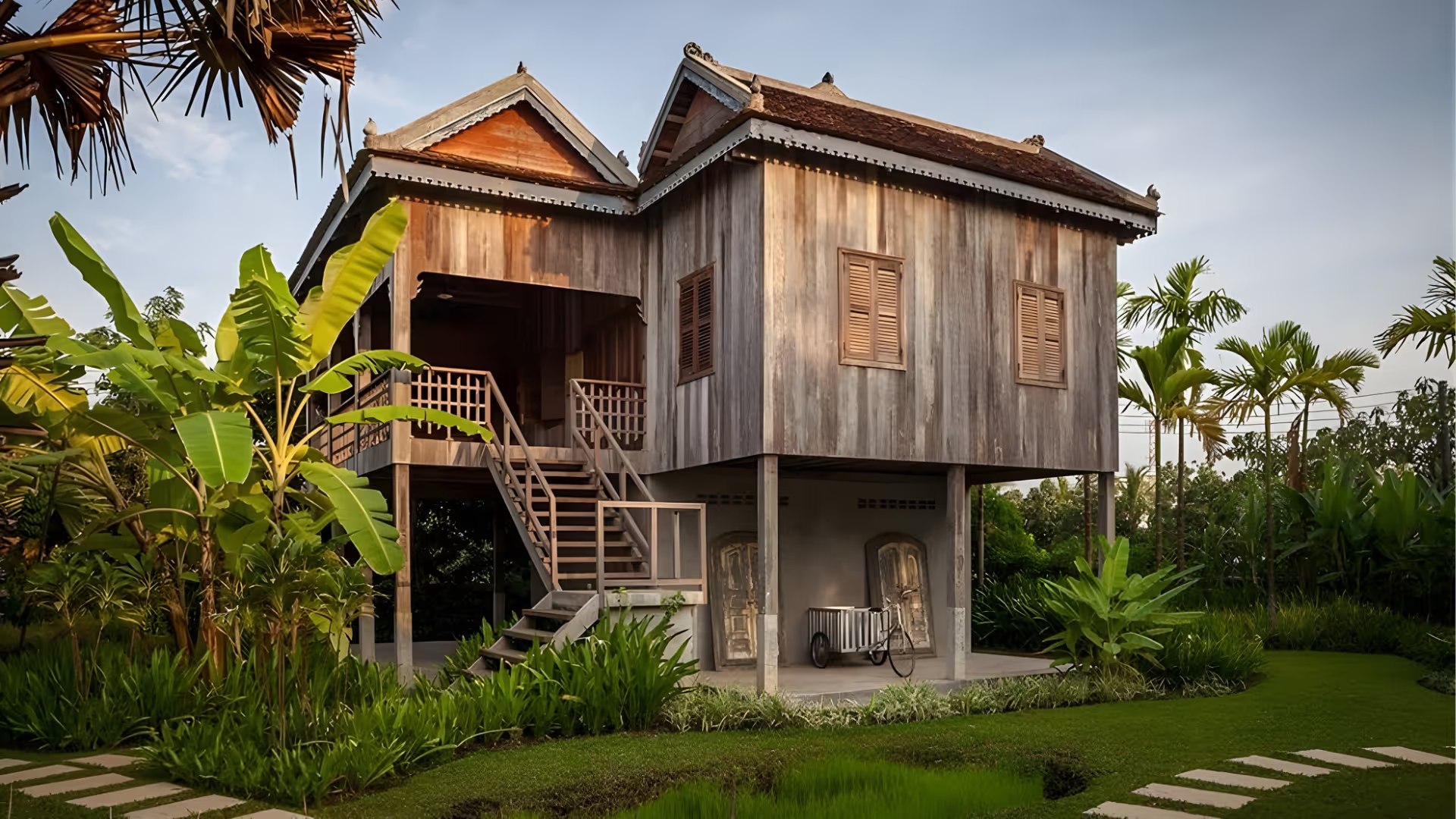
Avoid the busy tourist docks and head to Kampong Khleang or Kampong Phluk. Houses stand on high stilts above the water. It offers a clearer view of how life adapts to the seasonal flood.
Battambang’s Colonial Quiet
The second city feels like a large village. Explore French colonial shophouses and ancient temples without the pressure of mass tourism. It is a place for slow walks and architecture.
The Crab Market in Kep
Head to the coast for a slower pace. Watch the catch come in at the market and eat fresh crab with green pepper. It is a simple, tactile experience by the sea.
Trekking the Cardamoms
Move into the Cardamom Mountains for one of the region’s last large rainforest systems. The jungle here is dense and largely untouched. It offers a chance to see waterfalls and wildlife in one of the region’s last great rainforests.


When to Visit
Cambodia
Winter: November to February
The classic season. Days are dry and temperatures are comfortable. Perfect for walking the temples of Angkor or exploring Phnom Penh. This is the busiest time of year.
Spring: March to May
The heat builds. April brings the Khmer New Year and water celebrations. Inland areas become very hot and dry. The coast offers a breezy escape.
Summer: June to August
The wet season begins. Rains usually come in short, heavy bursts. The landscape turns lush and green. Visitor numbers drop significantly.
Autumn: September to October
The rains taper off. The rice paddies are at their most vibrant green. The rivers and lakes are full, making boat travel particularly atmospheric.
A journey shaped around you
Whether you are drawn to ancient sites, local flavours, or landscapes off the usual route, we craft journeys that match how you want to travel, not how everyone else does.
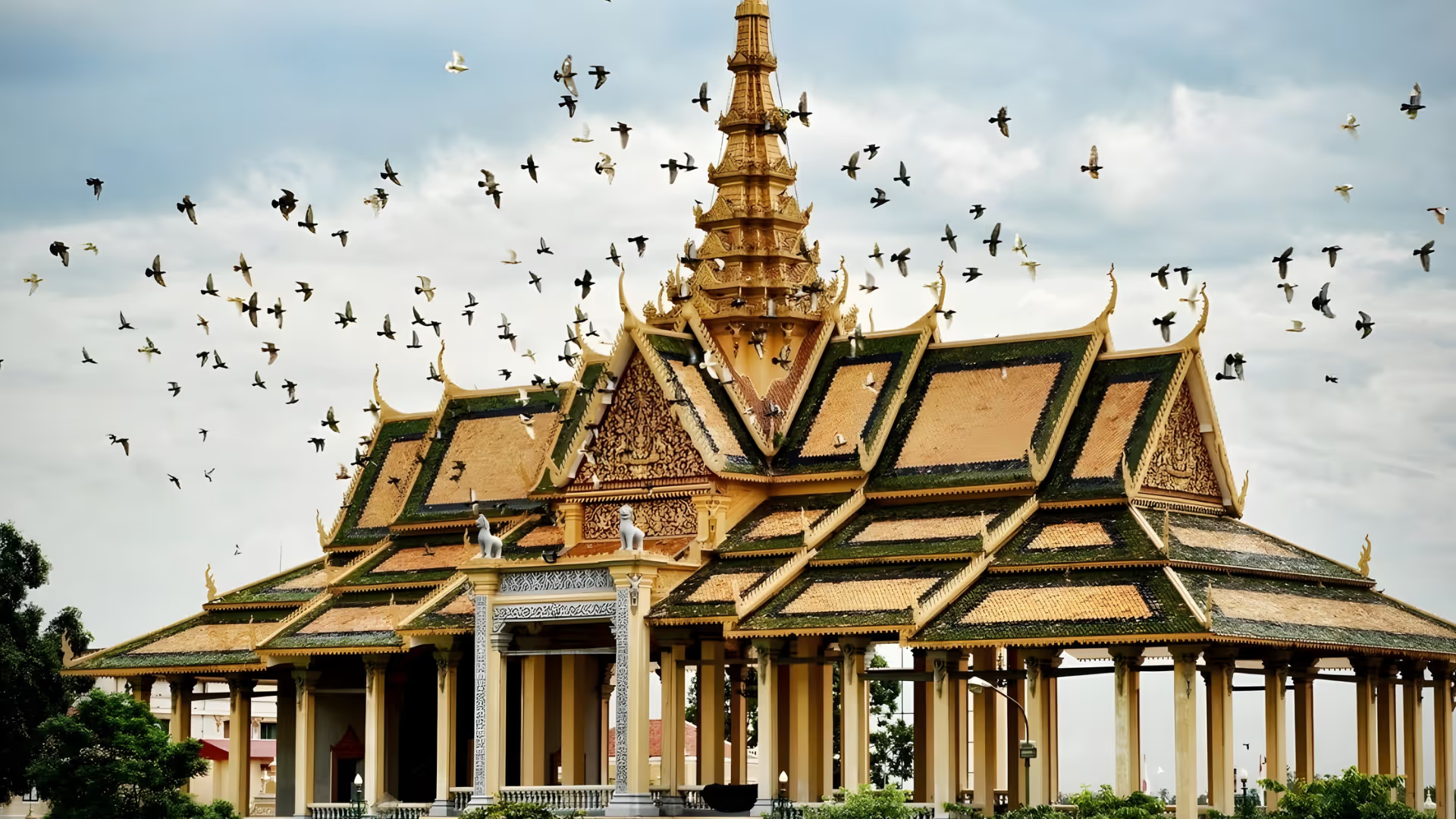
A seven-night journey from Cambodia’s modern capital to the Angkor temples, paced to avoid temple fatigue.
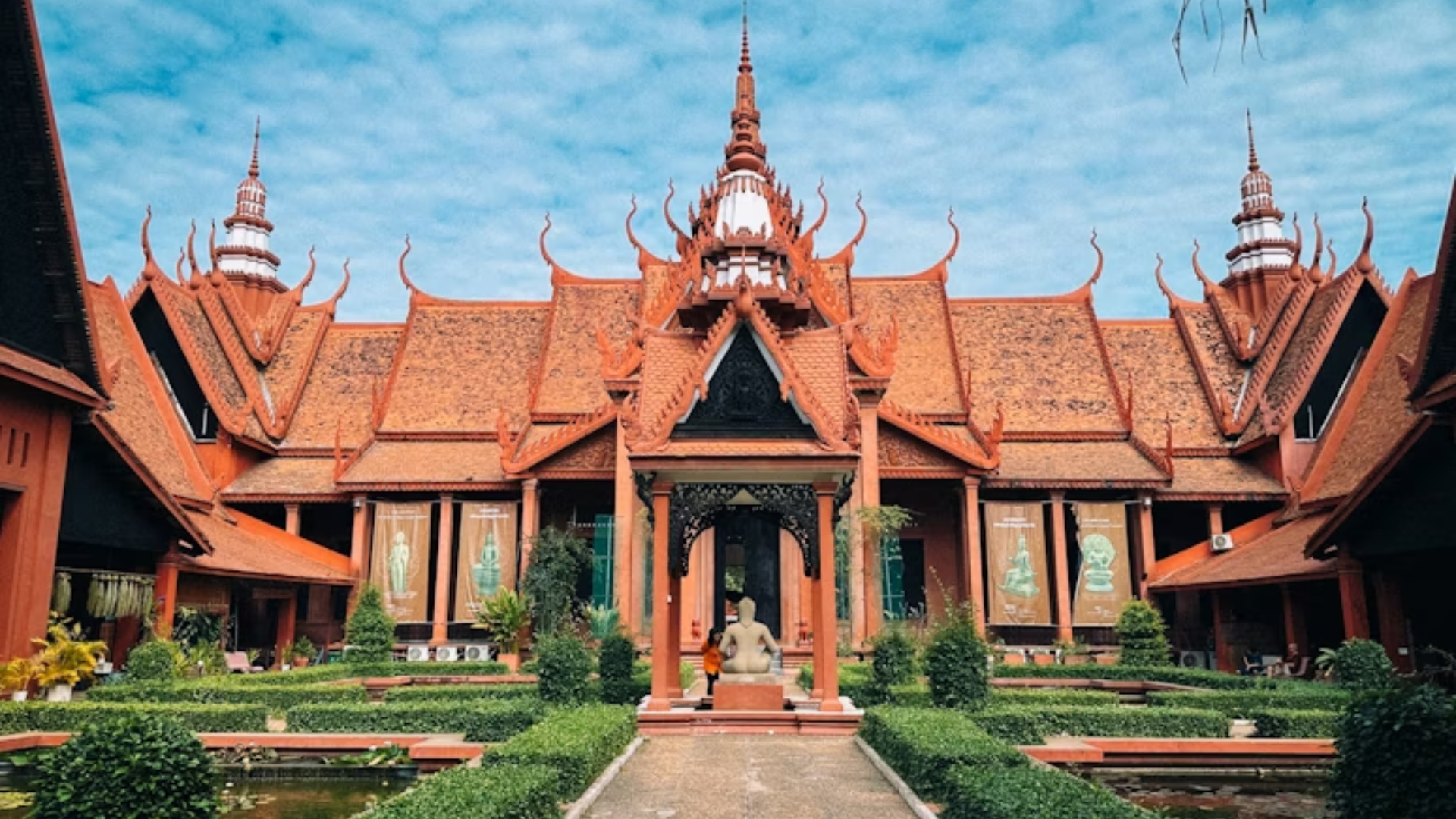
A seven-night immersion in Cambodia’s coastal south, where rivers meet salt flats and the sea smells of pepper and crab.
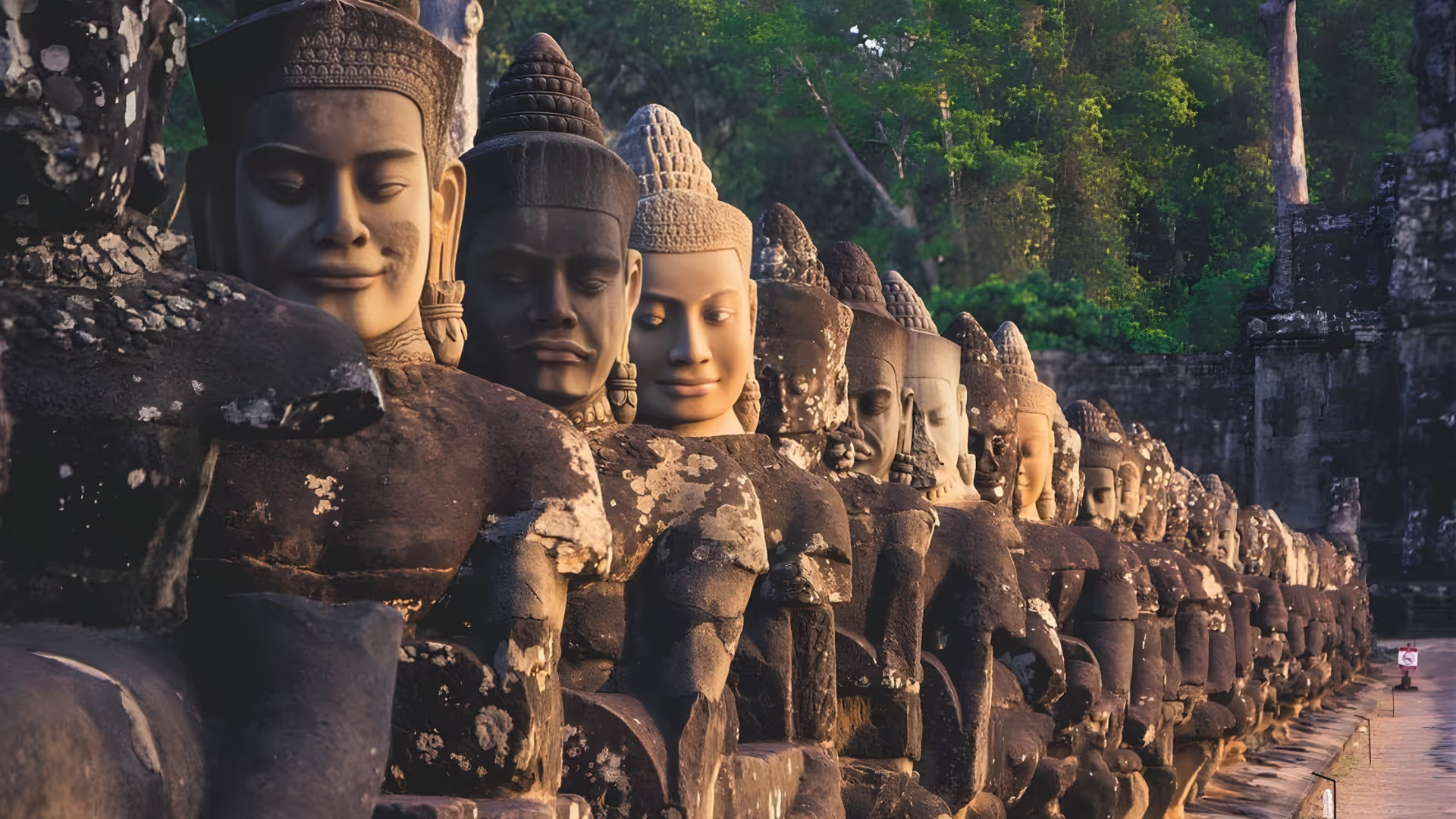
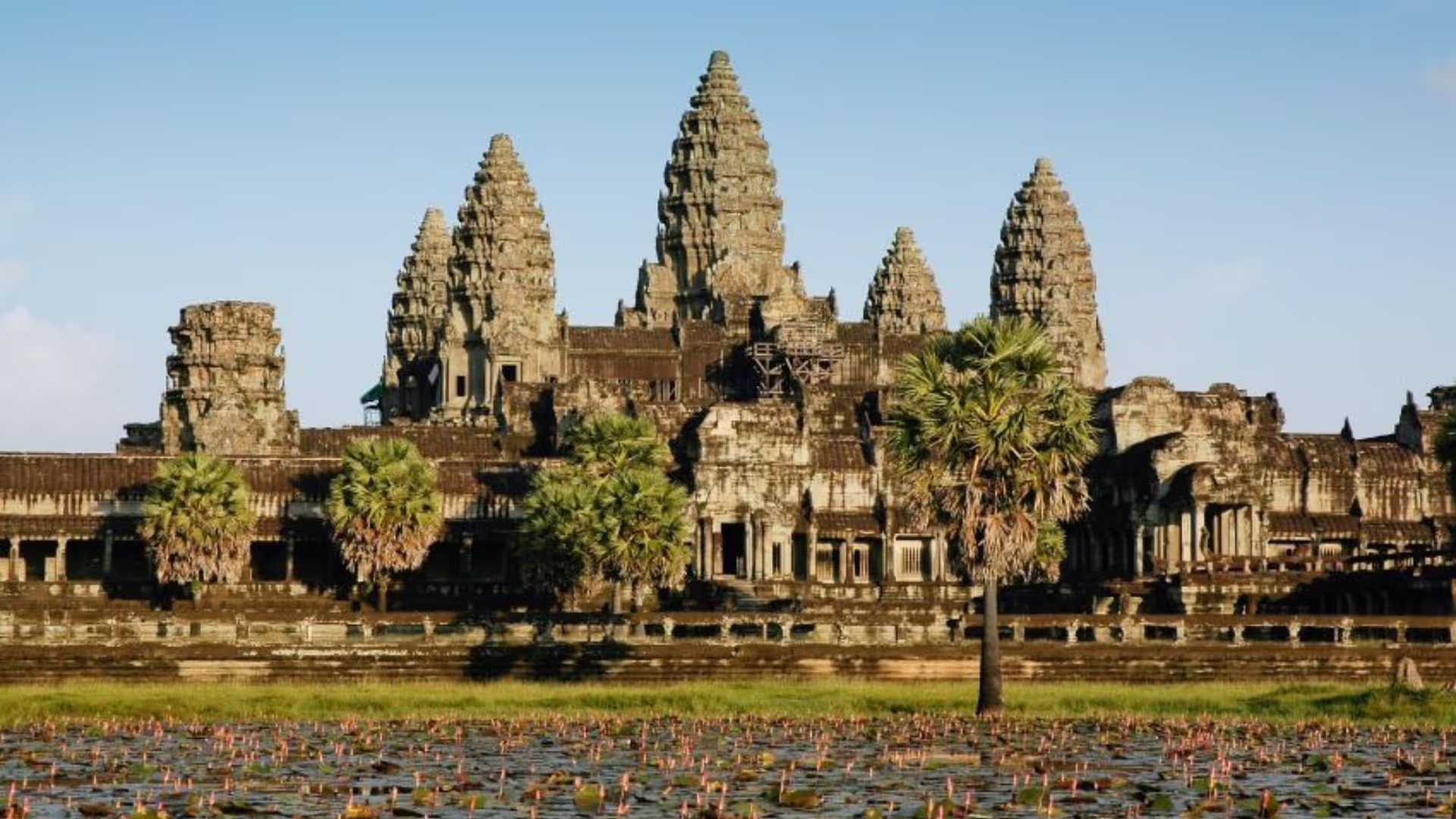
A six-night journey from the stone geometry of Angkor to the deep green quiet of the Cardamom rainforest, tracing Cambodia’s story from empire and architecture to wilderness and conservation.
Why Travel the Unhotel Way?
Because travel should feel personal, not prescribed.
Crafted, Not Packaged
No fixed routes. No rushed days. We build each journey from scratch around your pace, your curiosities, and the kind of comfort you actually enjoy.
Local, Not Performative
We work with people who live the place, not just sell it. The best meals, stories, and small moments rarely sit on a brochure.
Calm, End-to End Planning
Behind an easy day is deep research and trusted partners. We handle the moving parts, so you stay present and travel without friction.
Our Gallery
Real experiences, real places - captured along the journey.
What Our Clients Say
Journeys remembered not in miles, but in moments.
Subscribe to stay inspired.
Stories, ideas, and slow journeys - from hidden villages to distant valleys, straight to your inbox.
.avif)