

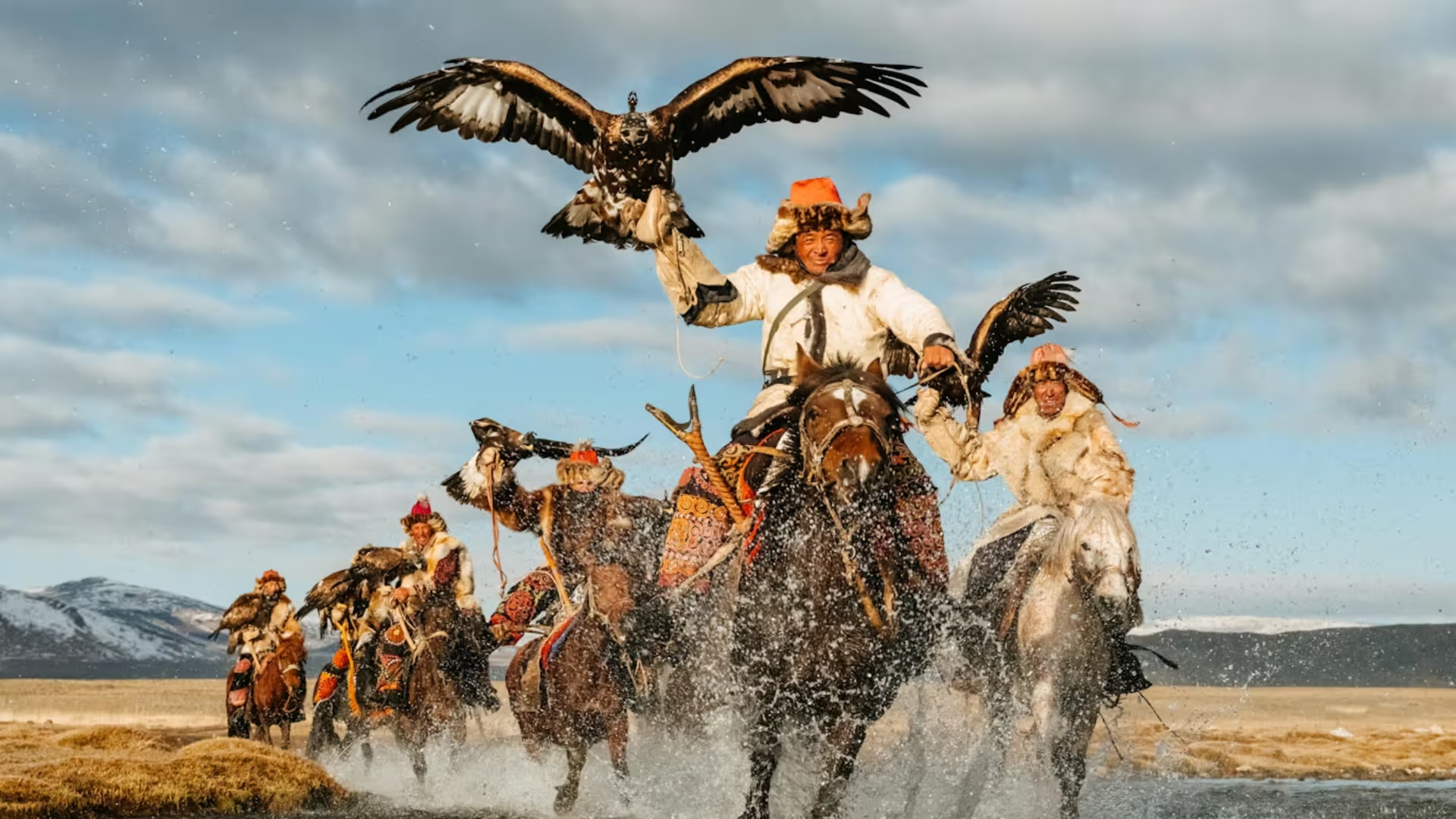
Life on horseback in a cold, open land
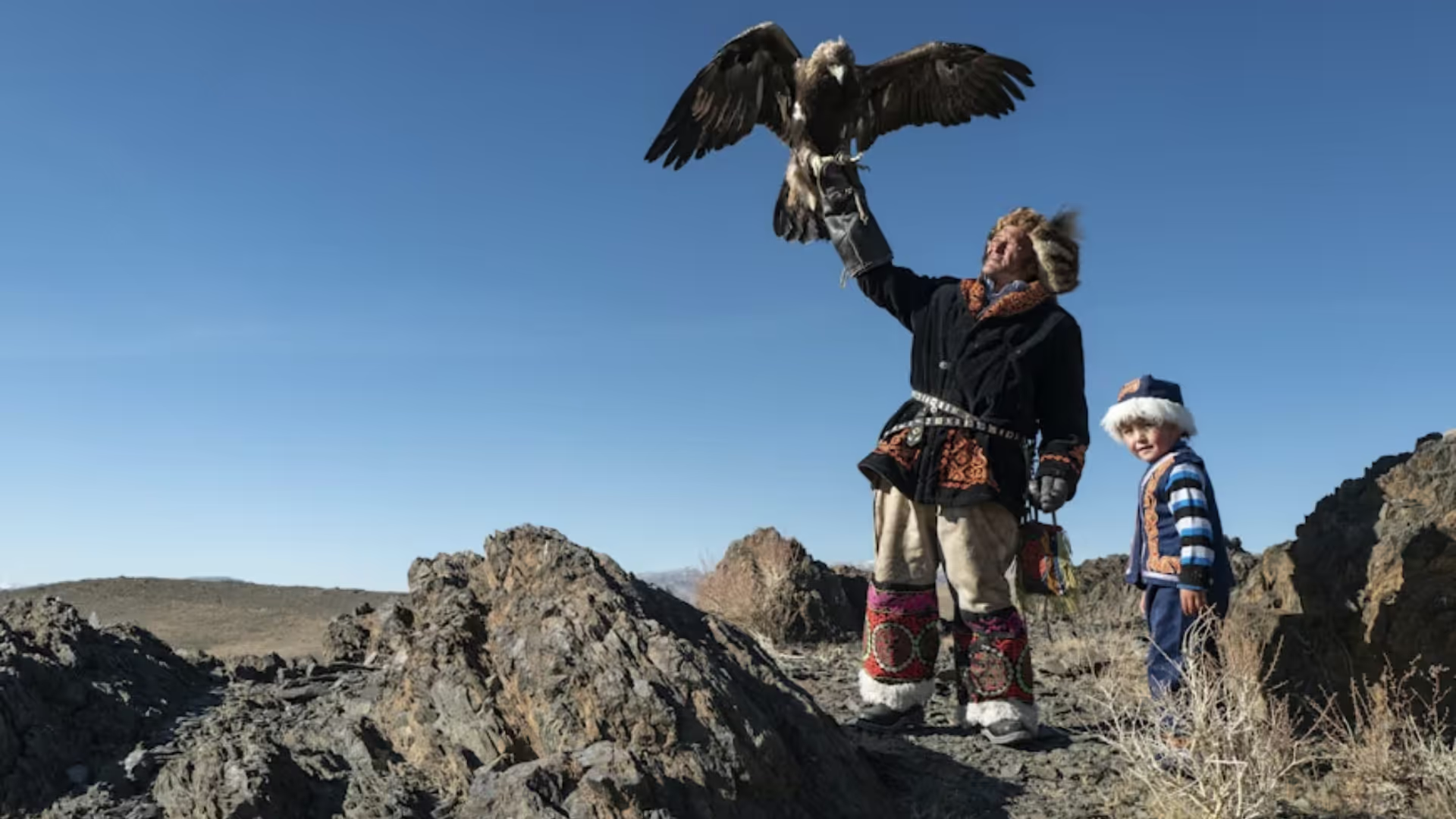
Beyond Ulaanbaatar, life opens into steppe and silence, closer in feeling to Ladakh than anywhere else in Asia.
Mongolia, Between the Steppe and the Sky
Mongolia is defined by scale. It sits landlocked between Siberia and China, a vast ocean of grass and gravel where the fences simply disappear. Ulaanbaatar provides the only real density, a mix of Soviet blocks and modern glass. Beyond it, the land belongs to everyone and no one.
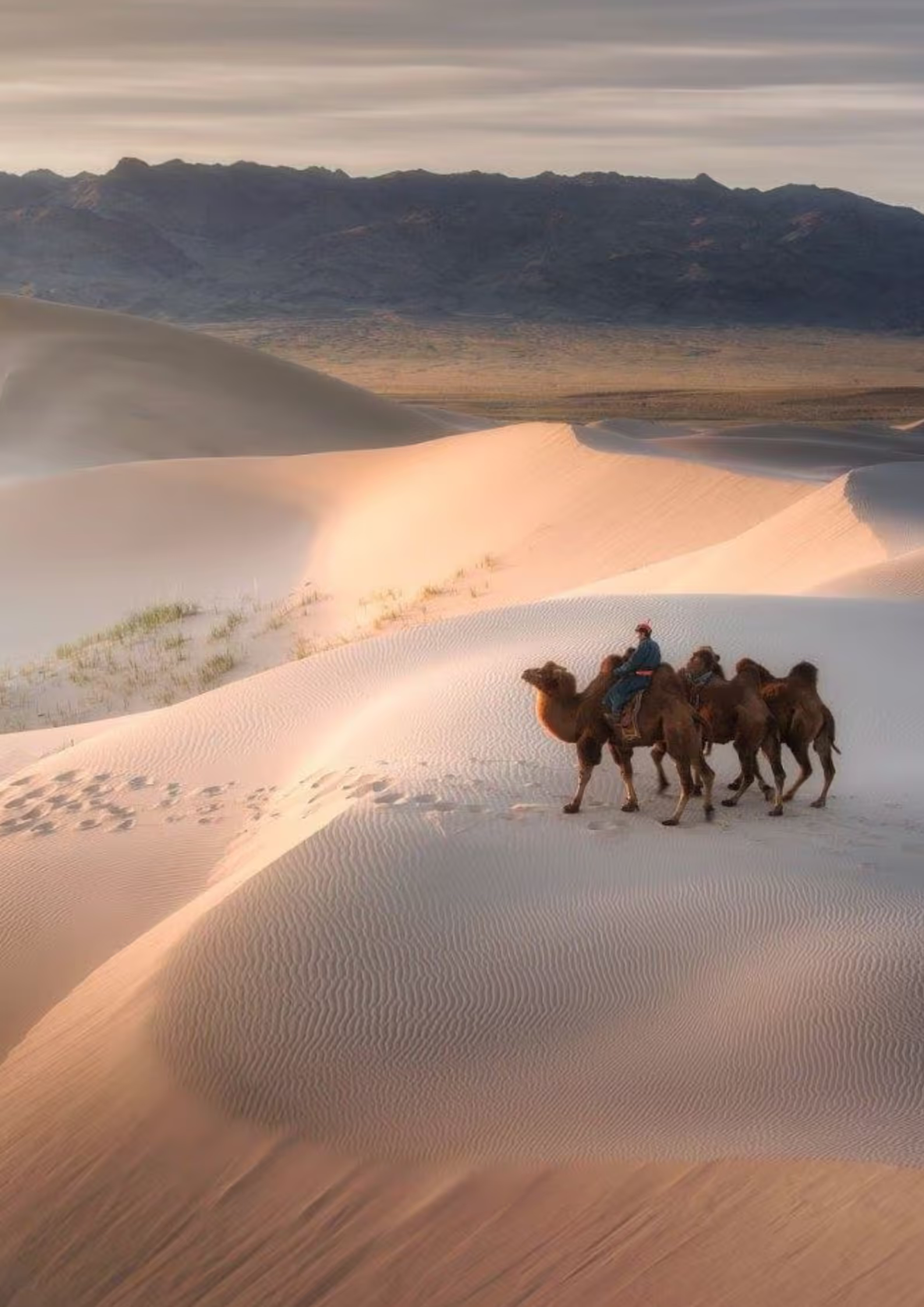
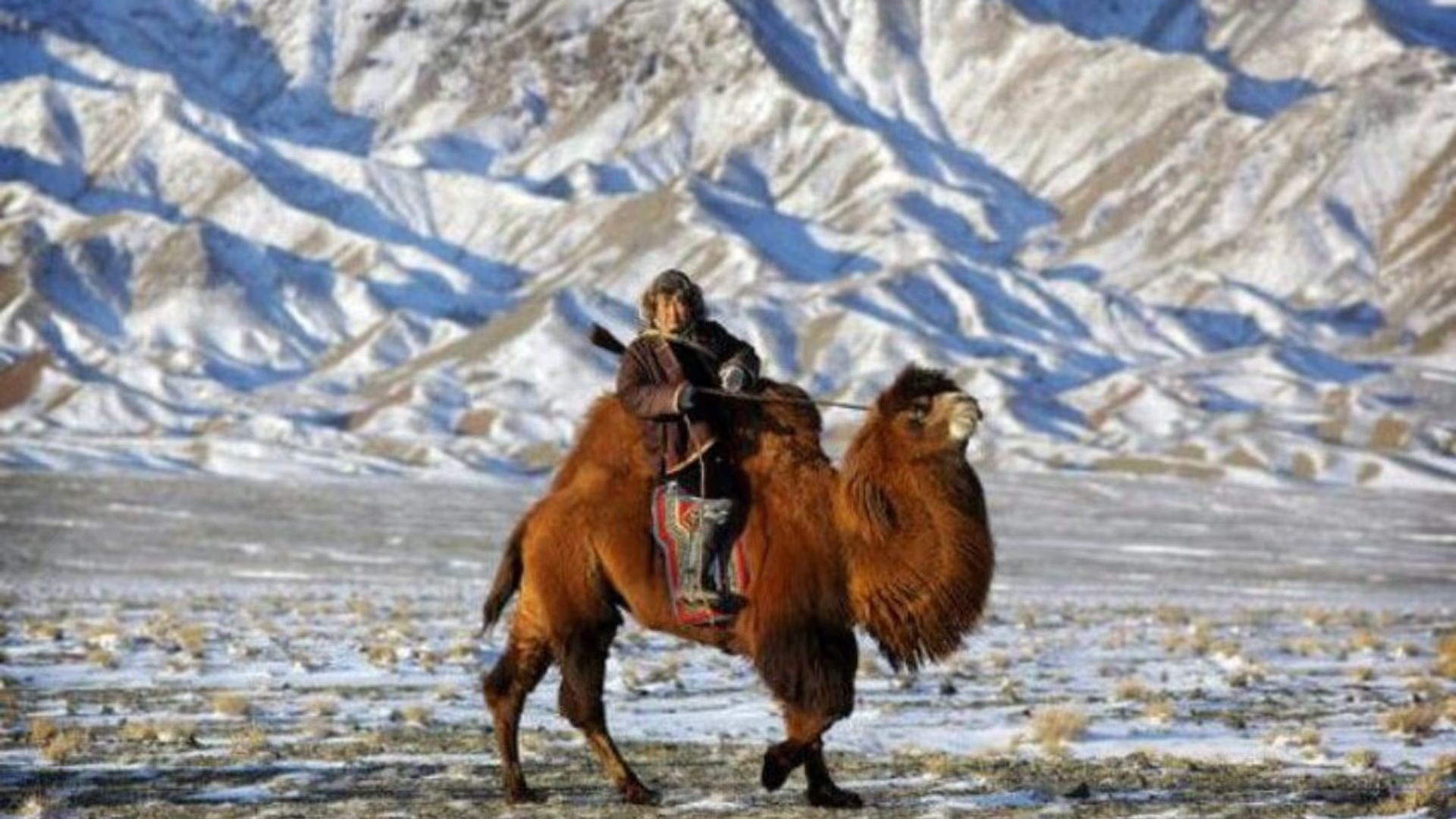
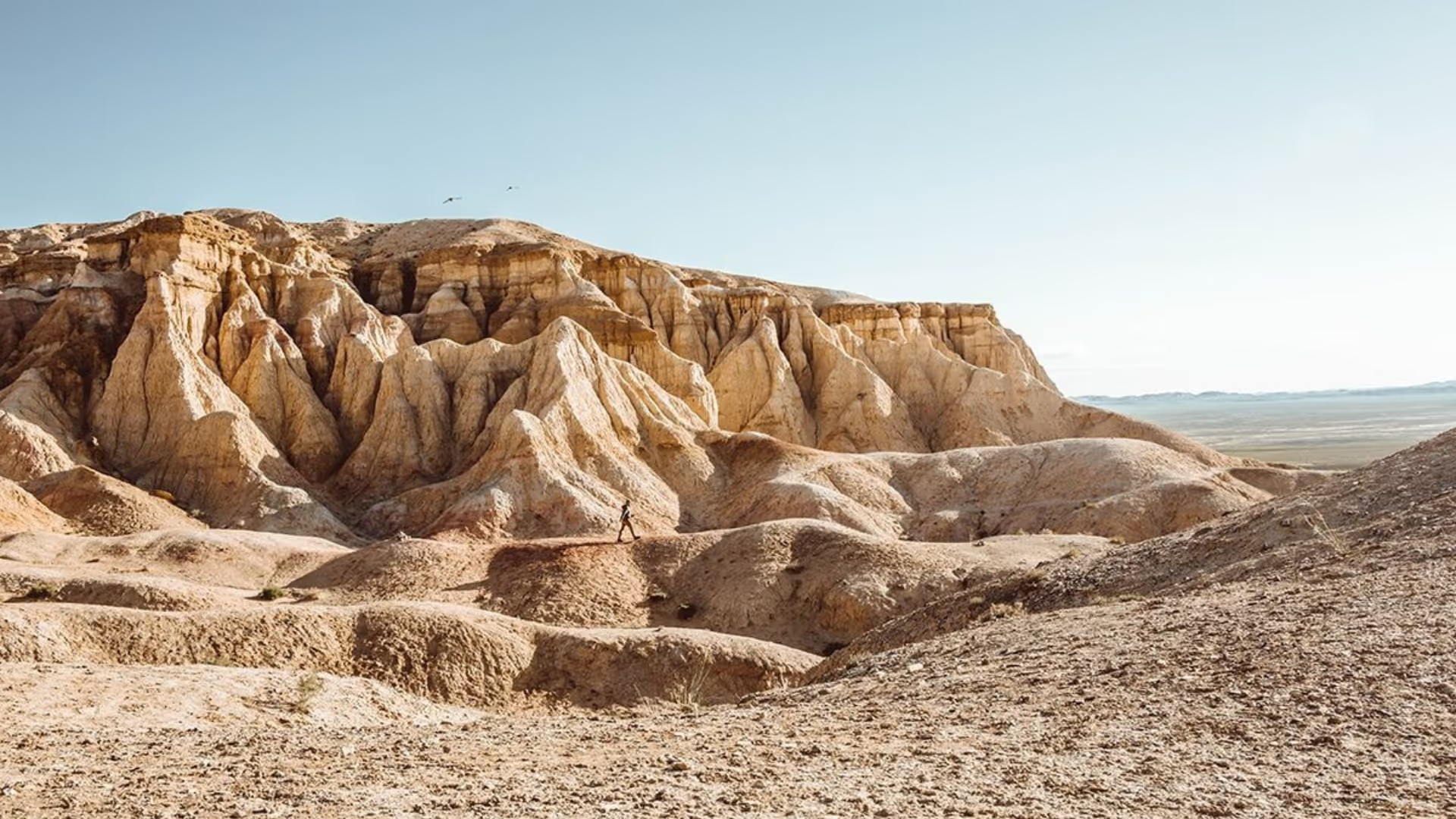
Travel here is physical and measured in hours rather than miles. The landscape shifts from the green, forested valleys of the north to the arid expanse of the Gobi. This is not the sandy desert of popular imagination but a vast, stony plain of rock and scrub.
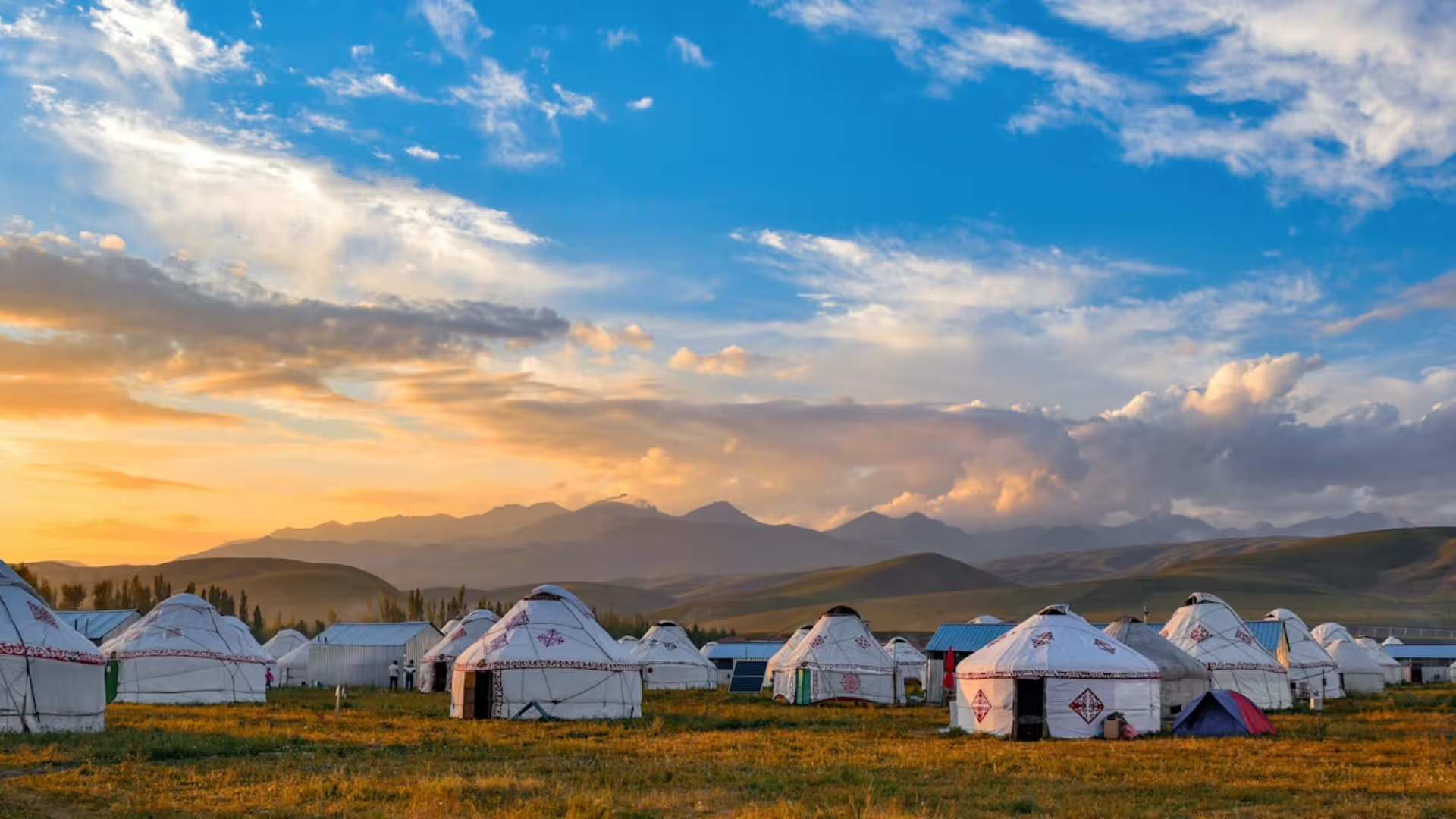
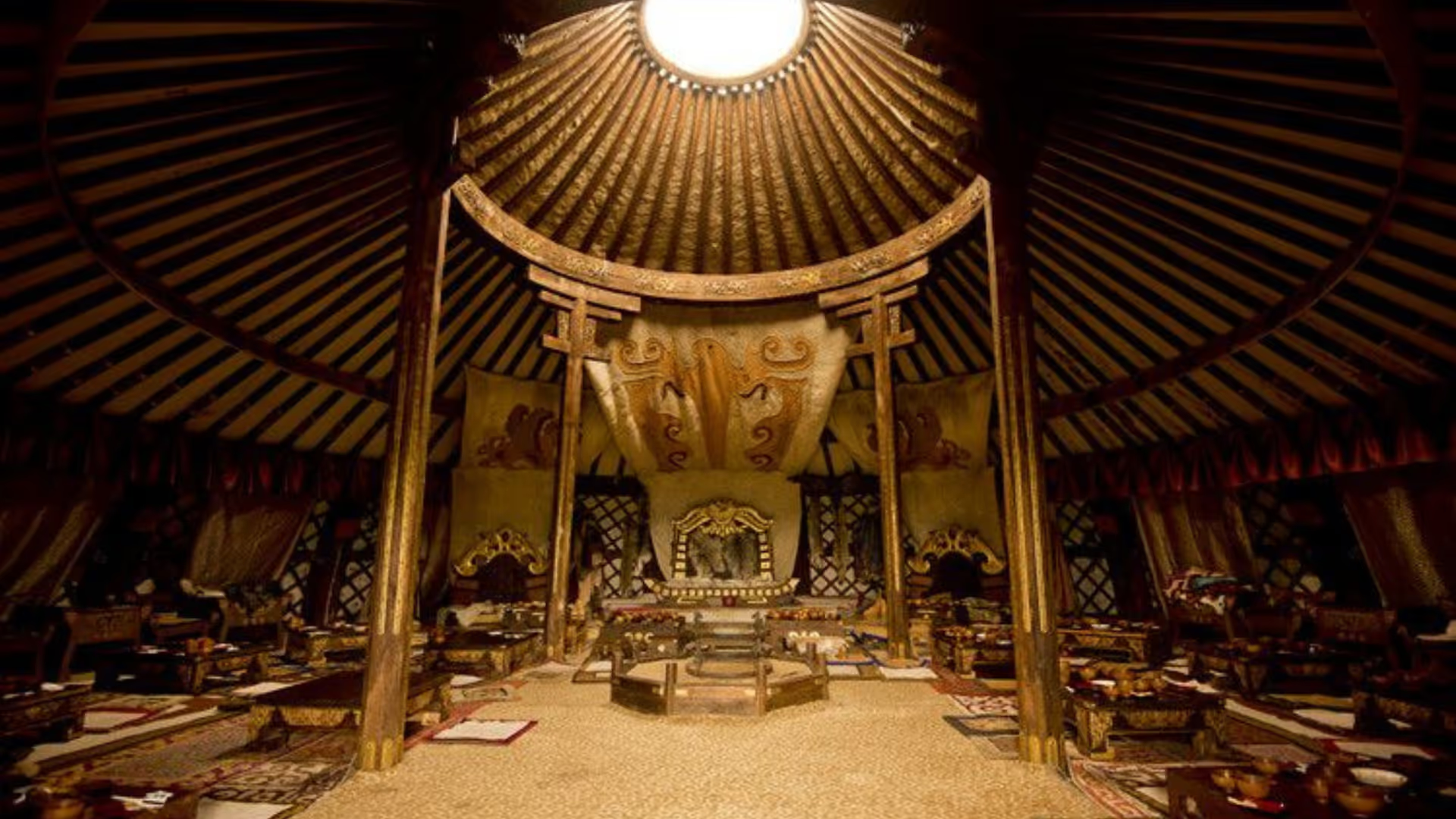
Nomadic families still move their gers with the seasons, following a logic that has held for centuries. To travel here is to accept that the land dictates the schedule. It is a place to disconnect completely and watch the light change across an endless view.
SIGNATURE EXPERIENCES
The Flaming Cliffs
Visit Bayanzag at sunset. The sandstone bluffs glow a deep ochre against the desert floor. This is where the first dinosaur eggs were discovered, and the landscape feels entirely prehistoric.
Staying in a Ger
Sleep in a traditional felt tent on the steppe. It is not about luxury but proximity to the land. You hear the wind and the animals, and you understand how warmth is managed in a place without walls.
The Singing Dunes
Climb the Khongoryn Els in the Gobi. These massive sand dunes rise out of the gravel plain. When the wind blows, the sand shifts and creates a low, humming sound that vibrates through the ground.
Lake Khövsgöl
Travel north to the "Blue Pearl" near the Russian border. It is one of the clearest lakes in the world, surrounded by pine forests and reindeer herders. The air here is sharp and alpine.
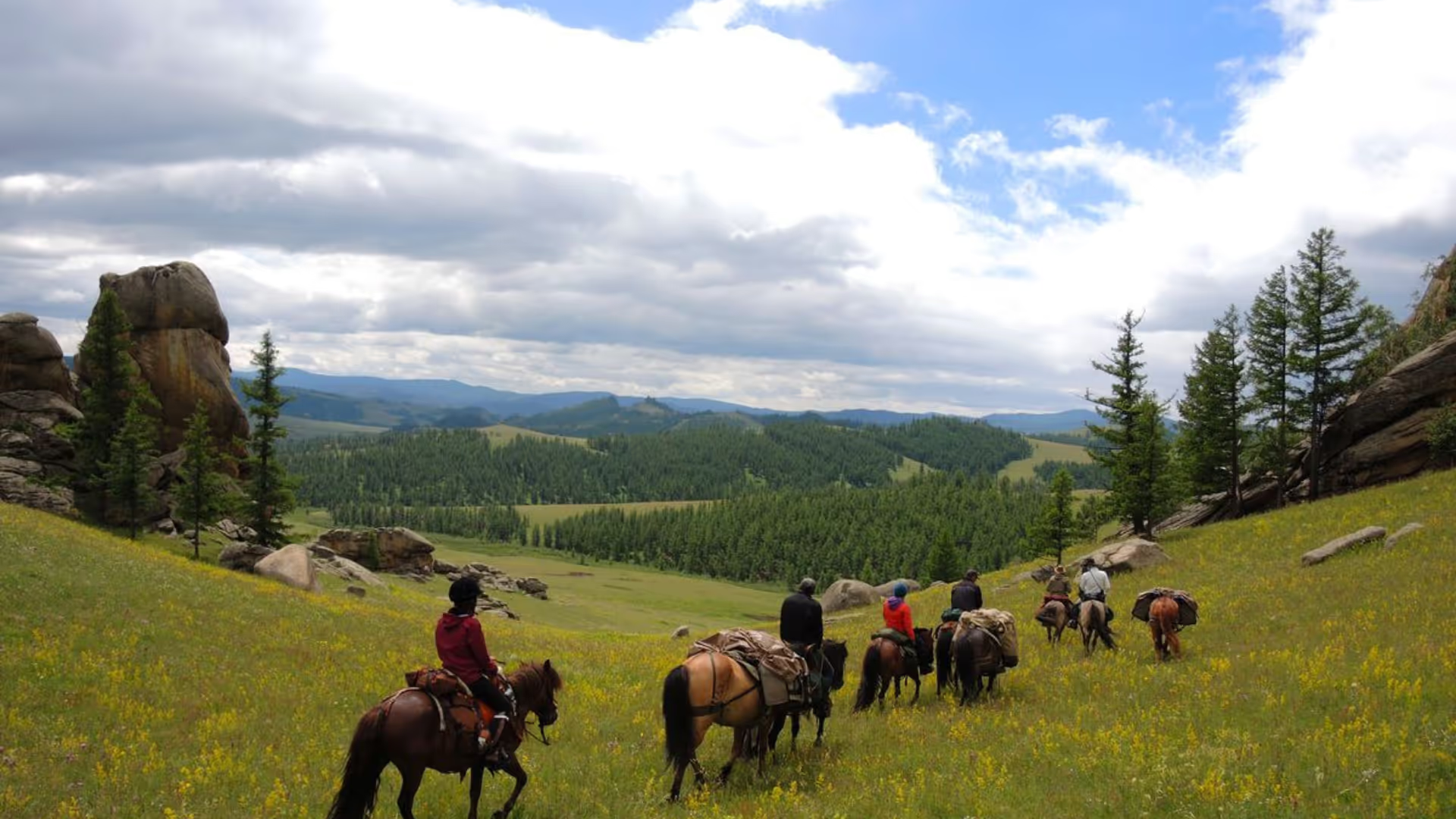
Orkhon Valley on Horseback
Ride through the cultural heartland of the country. The terrain is green and rolling, scattered with ancient stone markers. The Mongol horse is small but incredibly strong, and riding is the truest way to see this landscape.
Gandantegchinlen Monastery
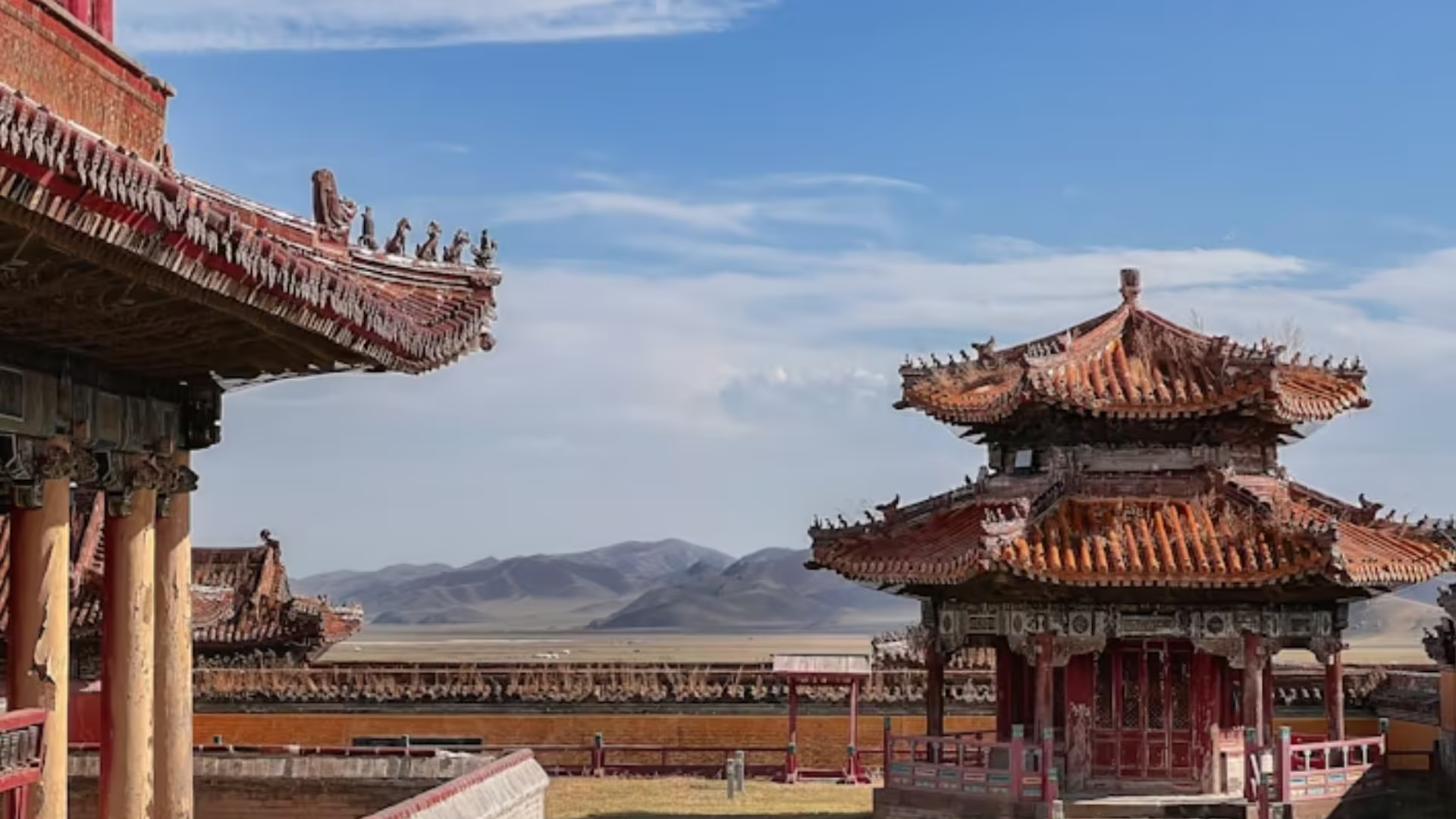
Find a moment of quiet in Ulaanbaatar. This is one of the few monasteries to survive the purges. The sound of chanting and the smell of incense offer a link to the country’s Buddhist foundation.

When to Visit
Mongolia
Summer: June to August
The primary season. The steppe is lush and green, and the days are long. Naadam Festival takes place in July, bringing wrestling and racing to the grasslands. It is the best time for camping.
Autumn: September to October
The weather turns crisp and clear. The larch forests in the north turn golden. Nights become cold, but the skies are often spectacularly blue. A quieter time to visit the Gobi.
Winter: November to March
Severe and unforgiving. Temperatures can drop below -30°C. The landscape is frozen and white. Travel is difficult, but the Eagle Festival in the west draws hardy visitors.
Spring: April to May
The most challenging season. The thaw brings mud and dust storms are common. The livestock are birthing, but the landscape is brown and waiting for the rain. Most travellers avoid this time.
A journey shaped around you
Whether you are drawn to ancient sites, local flavours, or landscapes off the usual route, we craft journeys that match how you want to travel, not how everyone else does.
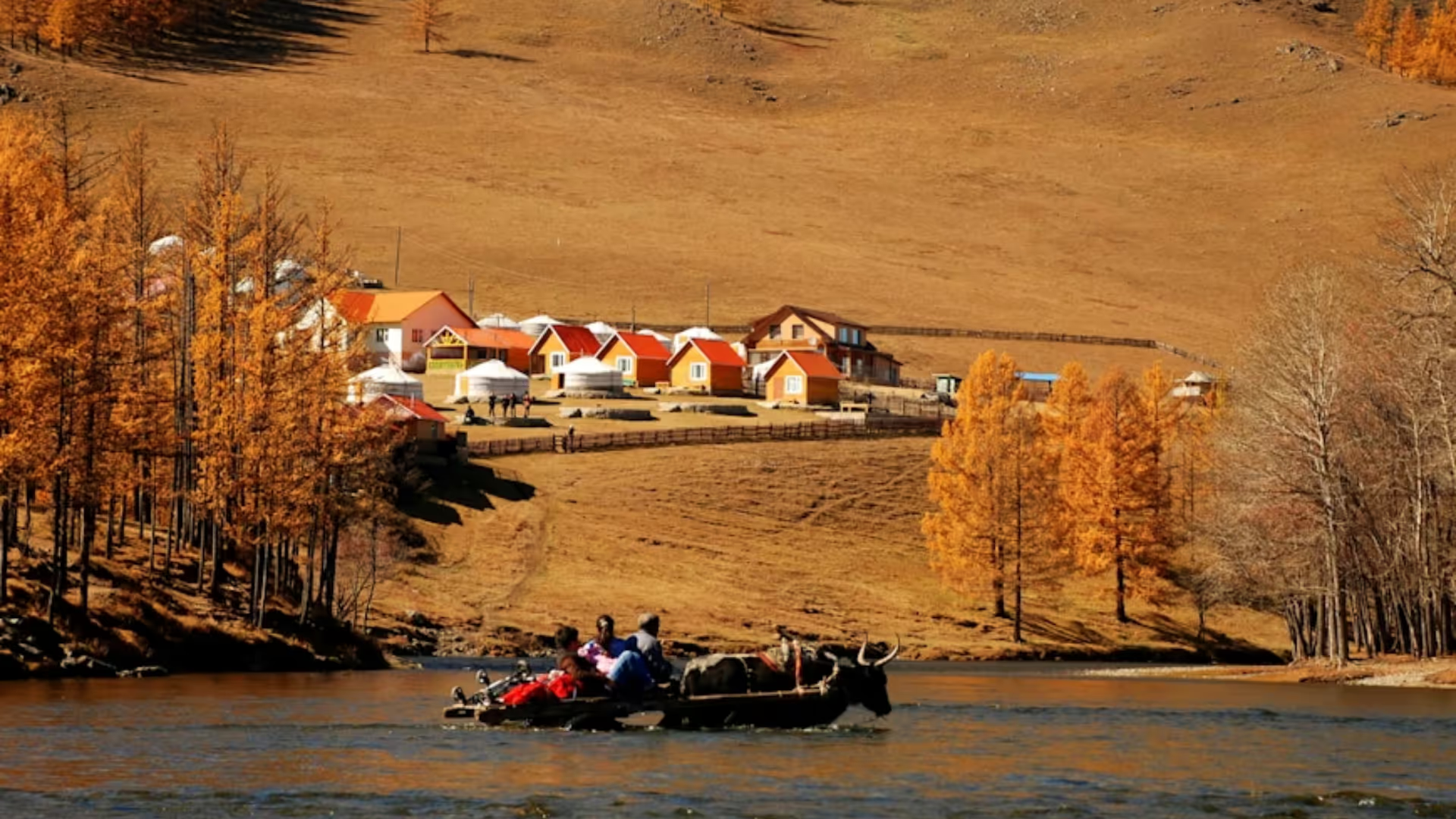
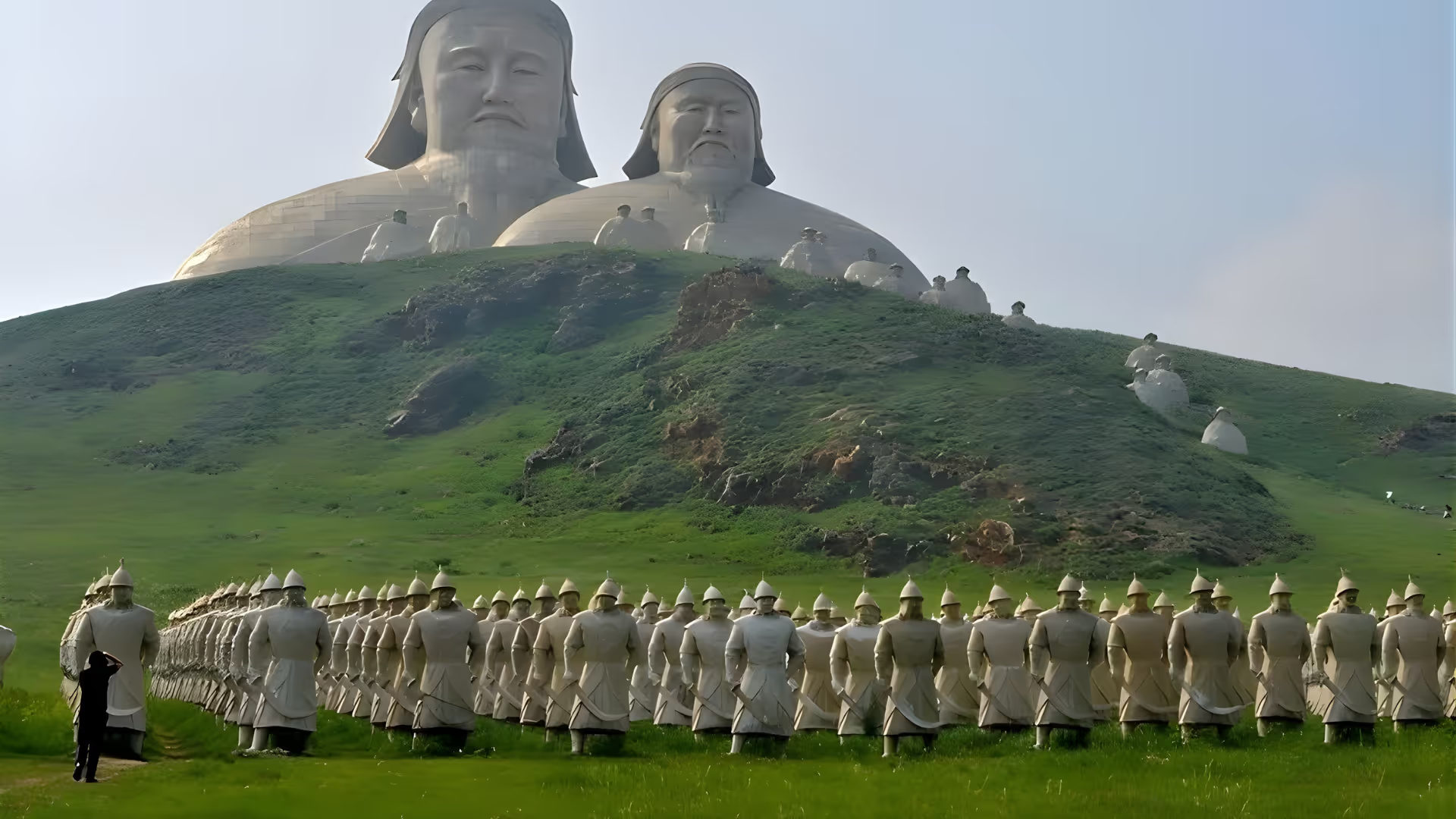
Tracing the path of the ancient Mongol Empire of Genghis Khan from the central grasslands to the deep dunes of the Gobi.
A measured immersion into central Mongolia, centred on the UNESCO-listed Orkhon Valley west of Ulaanbaatar. Once the heartland of the Mongol Empire, it remains a living pastoral landscape of rivers, volcanic plains and nomadic encampments shaped by grass, water and season.
An exploration of Mongolia’s alpine north, centred on Lake Khuvsgul and the taiga forests near the Russian border. This journey contrasts the southern steppe, focusing on reindeer herders, cold-water ecology, and remote mountain terrain.
Why Travel the Unhotel Way?
Because travel should feel personal, not prescribed.
Crafted, Not Packaged
No fixed routes. No rushed days. We build each journey from scratch around your pace, your curiosities, and the kind of comfort you actually enjoy.
Local, Not Performative
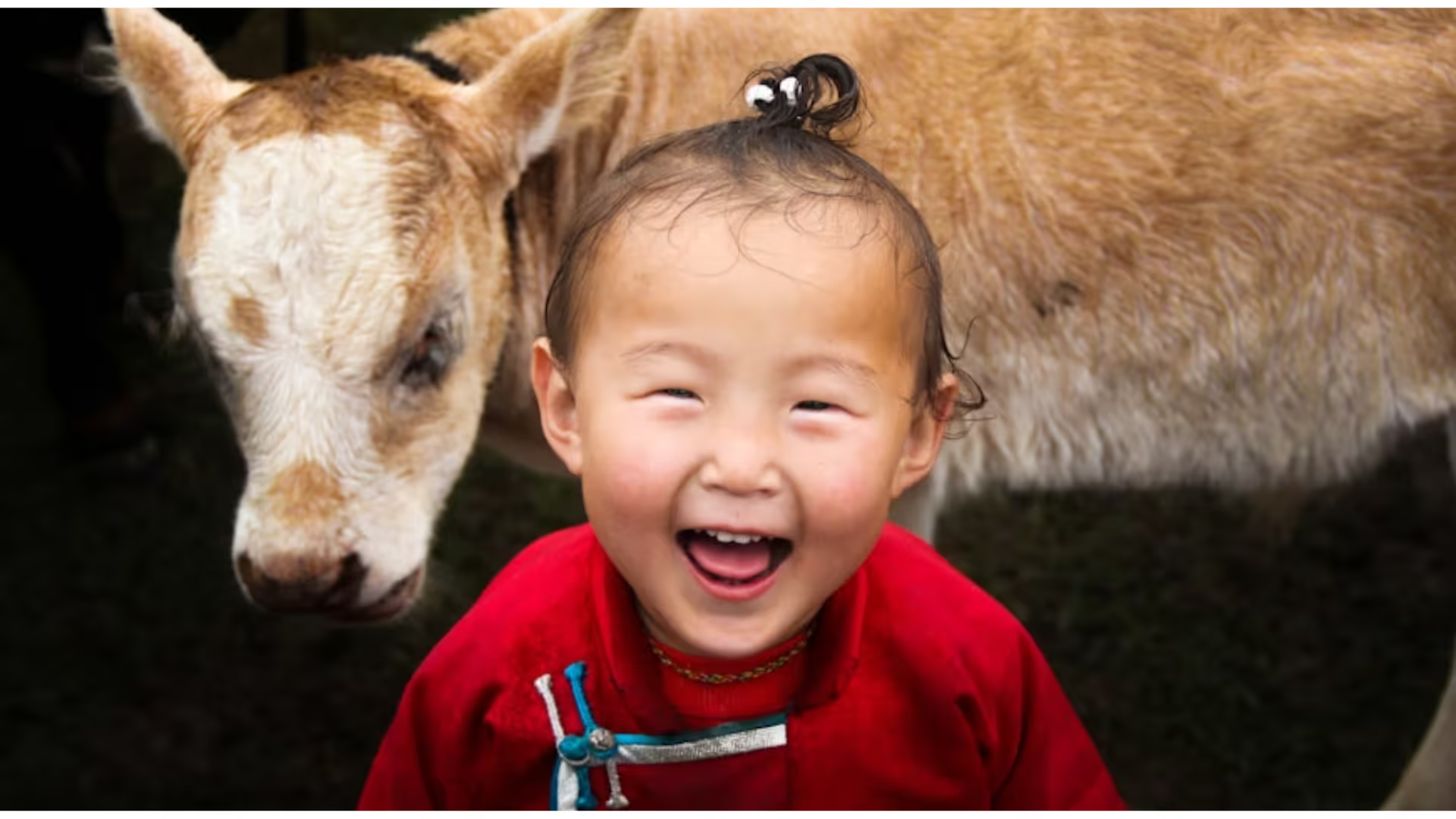
We work with people who live the place, not just sell it. The best meals, stories, and small moments rarely sit on a brochure.
Calm, End-to End Planning
Behind an easy day is deep research and trusted partners. We handle the moving parts, so you stay present and travel without friction.
Our Gallery
Real experiences, real places - captured along the journey.
What Our Clients Say
Journeys remembered not in miles, but in moments.
Subscribe to stay inspired.
Stories, ideas, and slow journeys - from hidden villages to distant valleys, straight to your inbox.
.avif)