


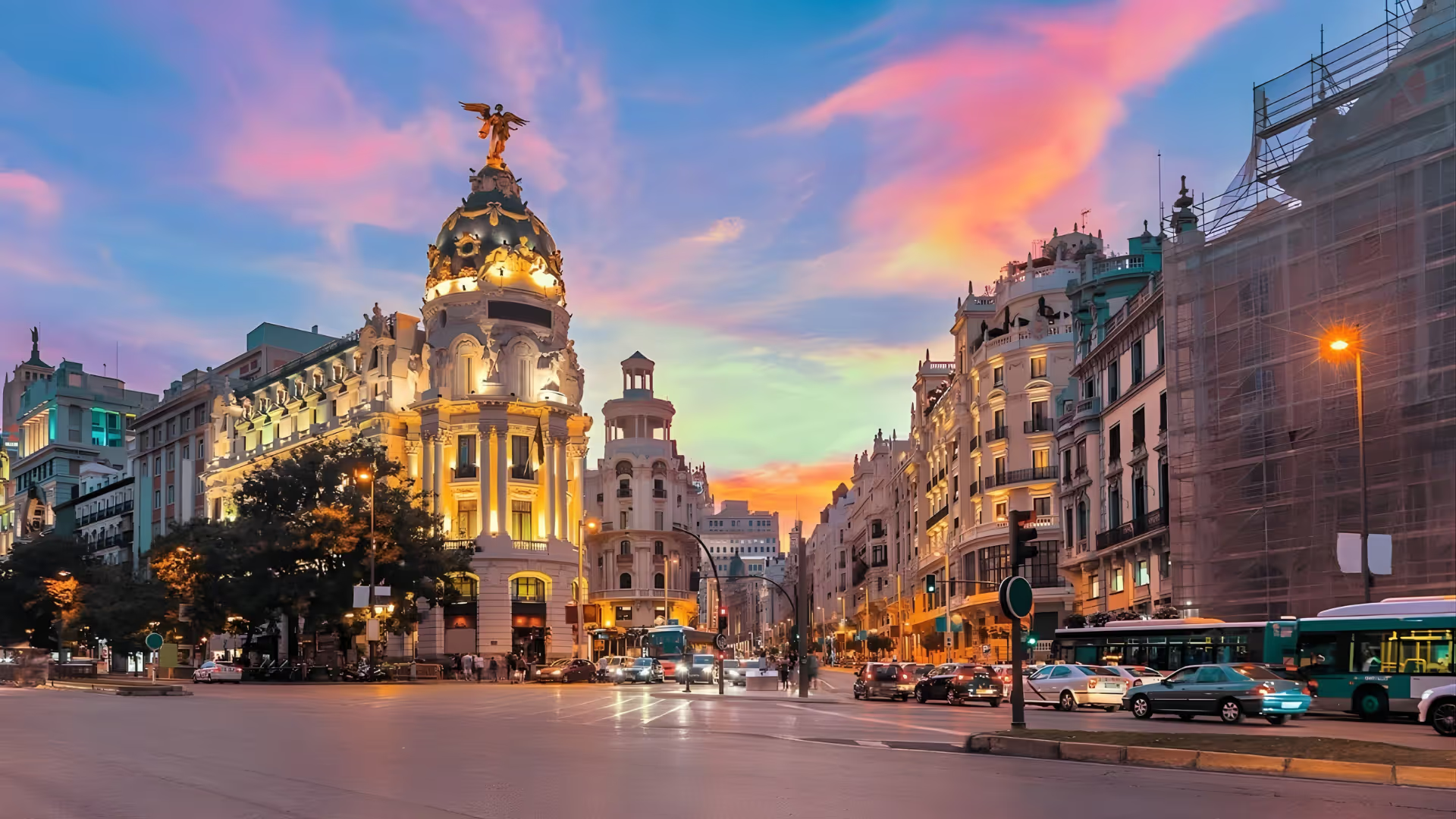
Sun, stone, and the joy of being out
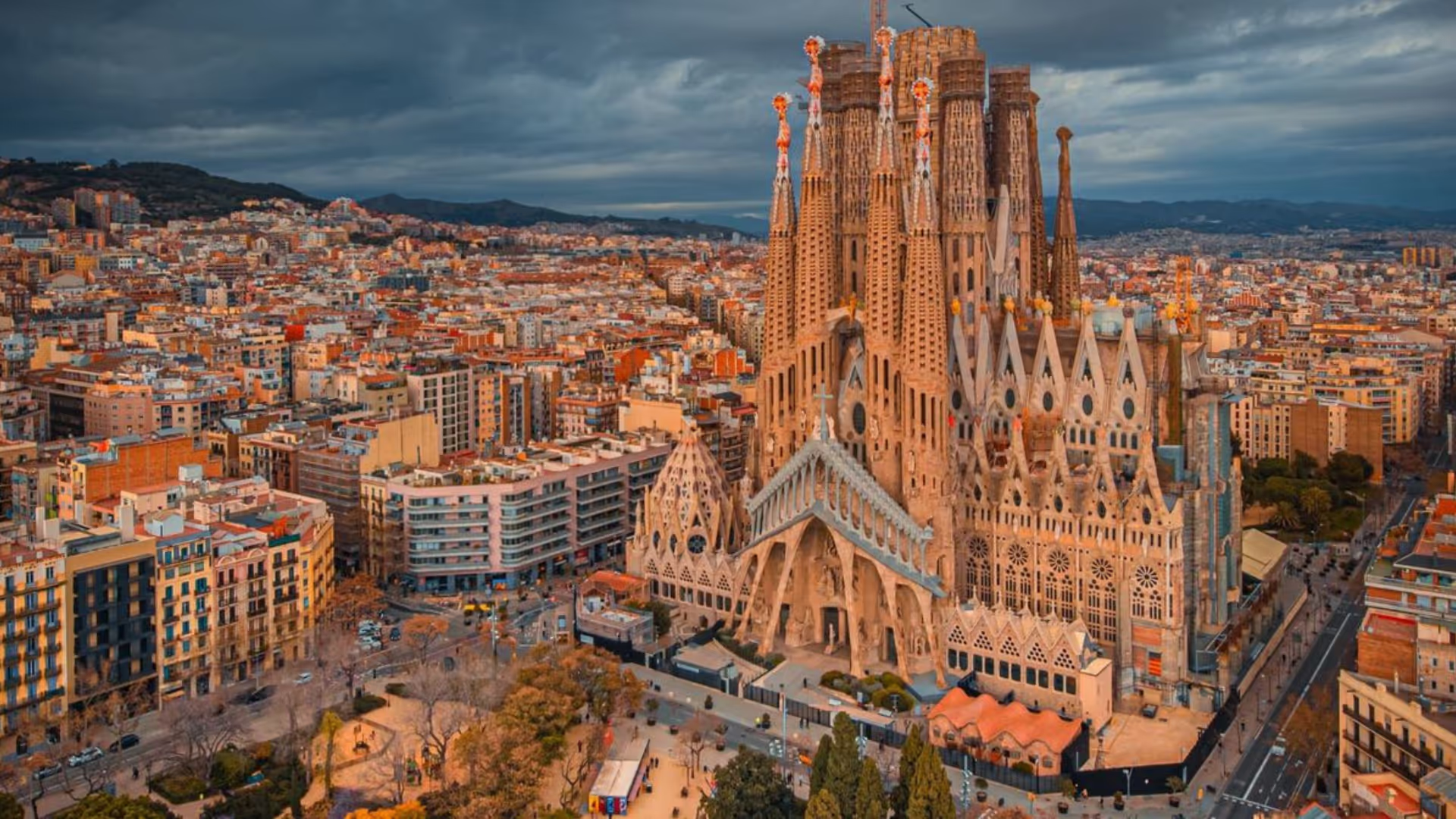
Spain is where the Atlantic meets the Mediterranean, and daily life is built around the social rituals of the public square.
Spain, Between the Plaza and the Plain
Spain occupies most of the Iberian Peninsula, defined by the high plateau of the Meseta Central and the mountains that frame it. This is a country of distinct regions rather than a single identity. You feel it in the dramatic shift from the green, wet valleys of the north to the arid, olive-covered hills of Andalusia.
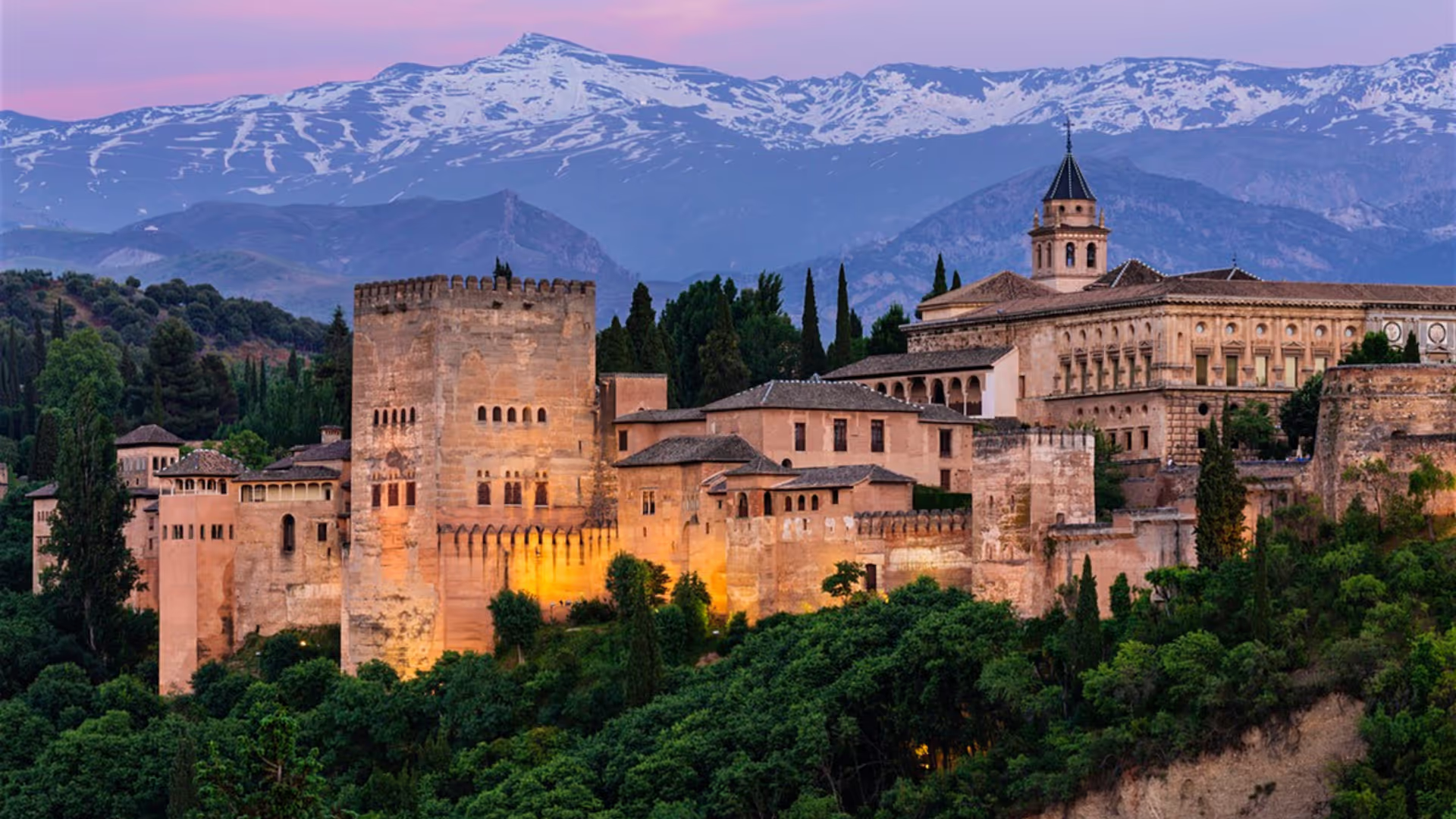
History here is layered. Roman roads sit beneath Islamic fortresses and Christian cathedrals. In the cities, life happens outside. The evening paseo and the late dinner are non-negotiable rituals that dictate the flow of the day.
Beyond the urban centres, the pace slows. The rural interior, often called the "empty Spain", offers silence and space. Farmers still work the land as they have for generations. To travel here is to move between the noise of the fiesta and the quiet of the sierra.
SIGNATURE EXPERIENCES
Walking La Tahá
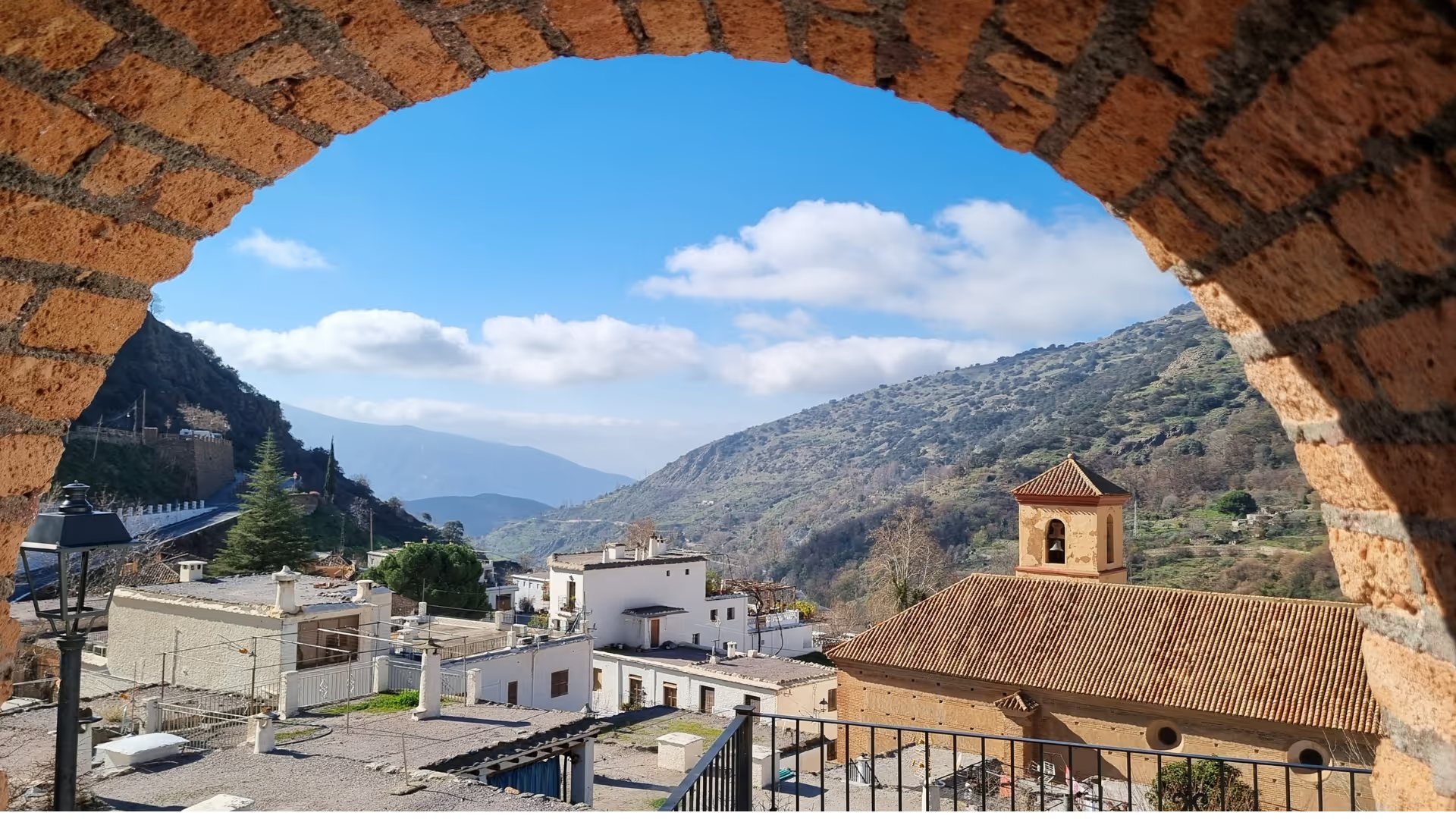
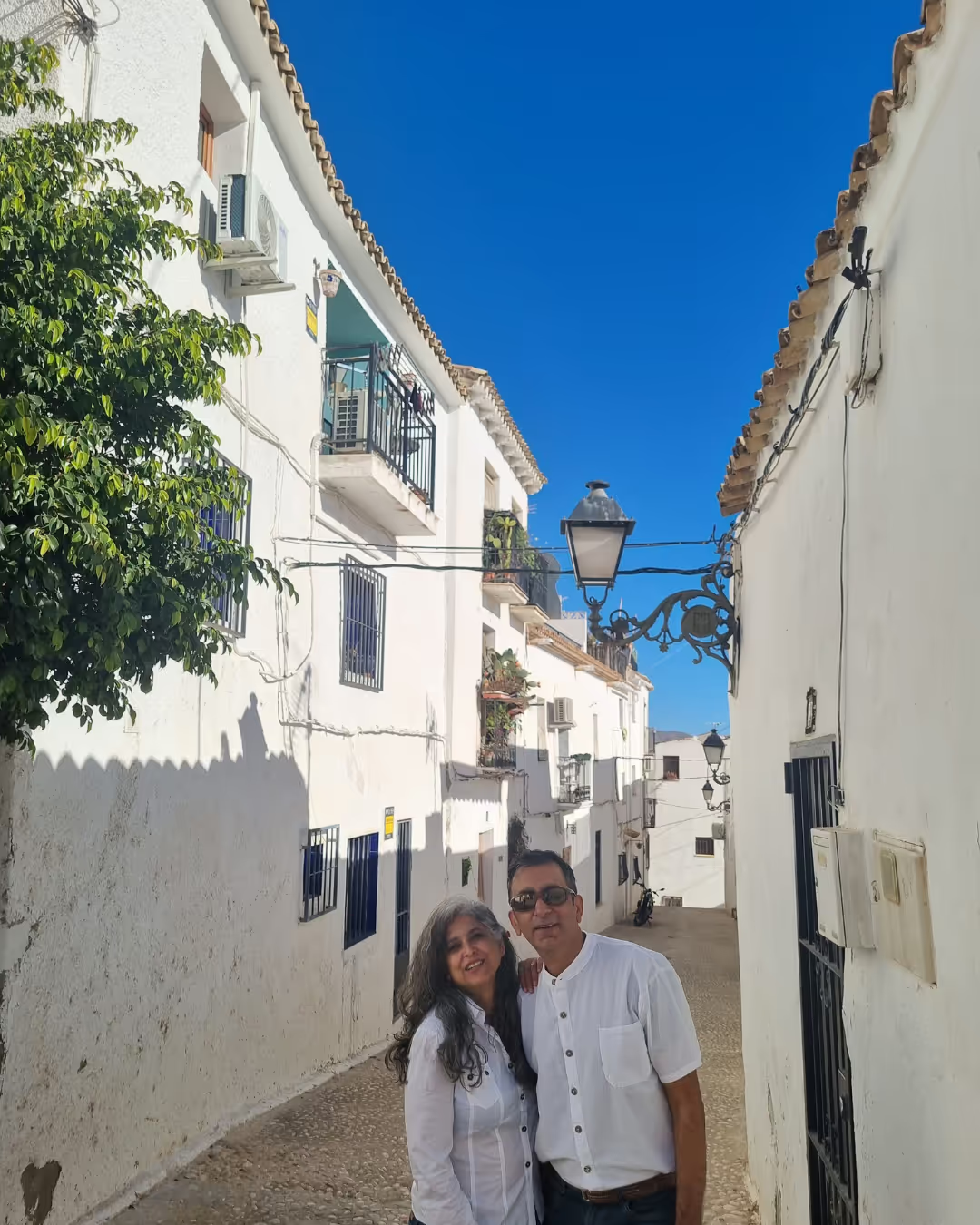
Hike the trails of the Alpujarras on the southern slopes of the Sierra Nevada. Seven whitewashed villages cling to the mountainside. It is a landscape of ancient irrigation channels and silence.
Sherry in Jerez
Step into a cathedral-like bodega where the air smells of yeast and old wood. Taste Fino or Manzanilla straight from the barrel. It is a wine culture that has remained unchanged for centuries.
Aragón’s Quiet Villages
Explore the "emptied Spain" in the northeast. Stone villages sit in vast stretches of scrubland. It offers a stark, beautiful look at rural depopulation and the resilience of those who stay.
Pintxos in San Sebastián
Stand at a bar counter in the Old Town. Eat small bites of anchovy, pepper, and olive. It is a social ritual of standing and moving, not a seated meal.
The Prado Museum
Visit the Spanish masters in Madrid. Focus on Velázquez and Goya. Go mid-week when the crowds thin to appreciate the scale of the collection without the noise.
The Cantabrian Coast
Drive the green northern edge of the country. Atlantic cliffs meet pastureland. It offers a cooler, wilder alternative to the southern beaches and feels more Celtic than Mediterranean.

When to Visit
Spain
Spring: March to May
The south is fragrant with orange blossom. Days are warm but bearable. This is the ideal time for Seville and Córdoba before the summer heat hits.
Summer: June to August
This is intense heat. In Seville and much of southern Spain, daytime temperatures often reach 40–45°C. Sightseeing shifts to early mornings, late evenings, or the cooler northern coast.
Autumn: September to November
The grape harvest begins in Rioja and Ribera del Duero. Temperatures cool down significantly. A clever time for city walks and hiking.
Winter: December to February
The central plateau freezes and the Pyrenees see snow. The southern coast remains mild. Museums are quiet and cities return to the locals.
A journey shaped around you
Whether you are drawn to ancient sites, local flavours, or landscapes off the usual route, we craft journeys that match how you want to travel, not how everyone else does.
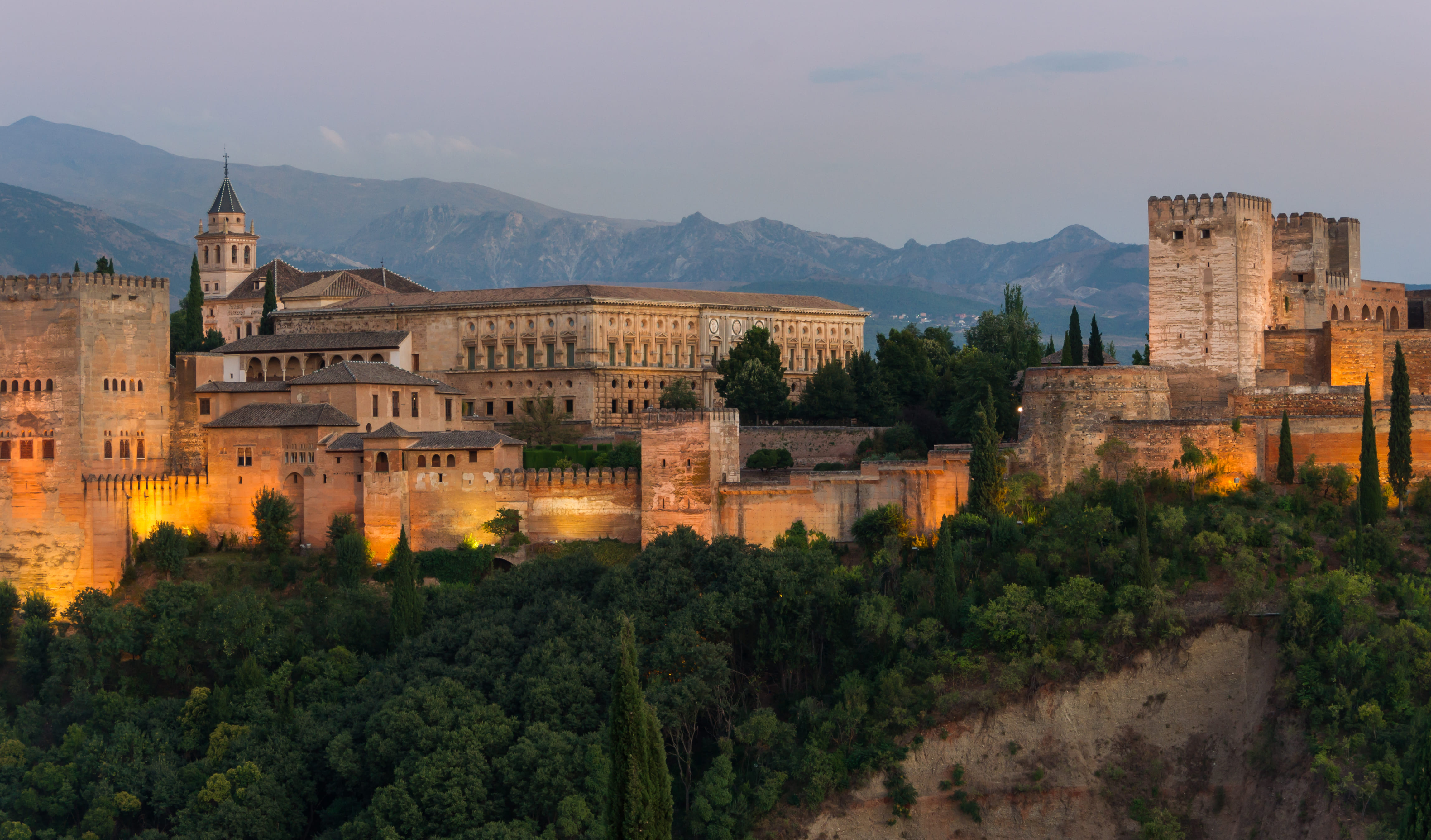
A high-speed rail journey balancing the art of the capital with the deep Moorish history of the south.
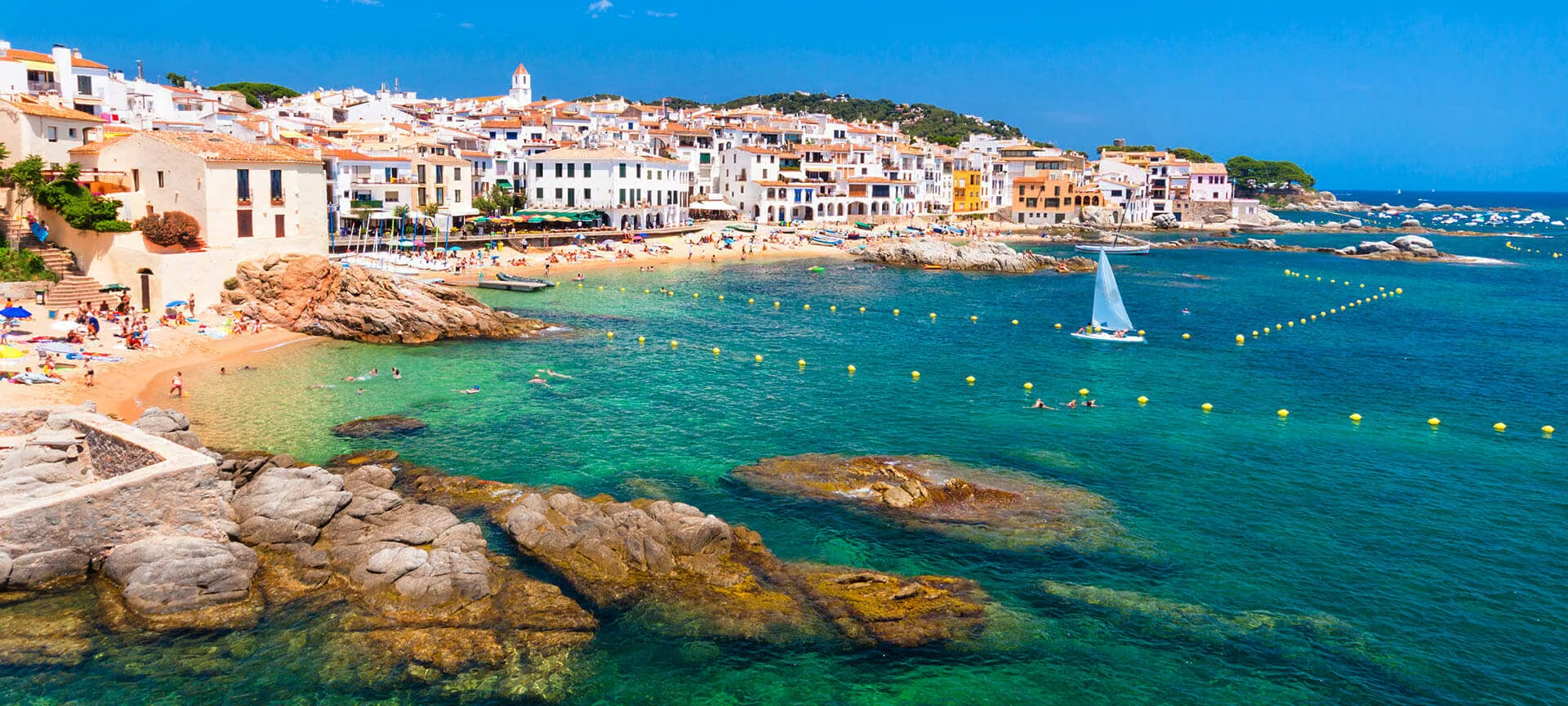
A quiet deceleration through the Gothic streets of Barcelona into the rural and coastal rhythms of the northeast.
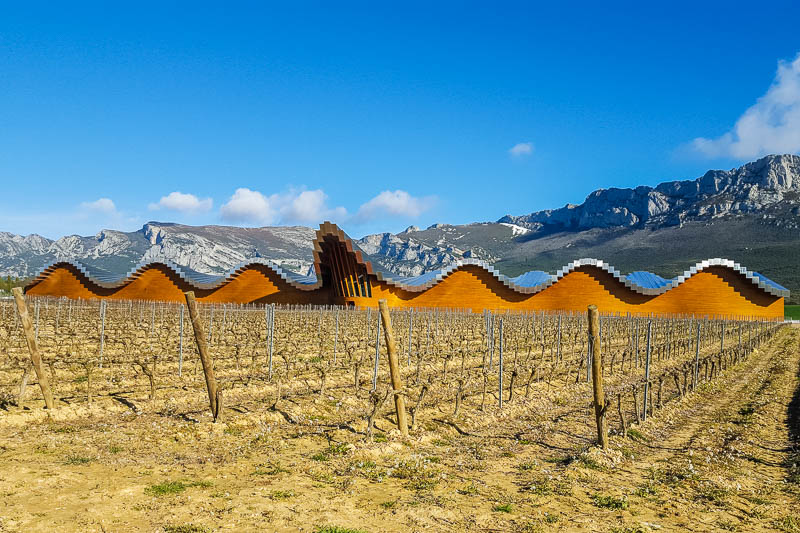
An exploration of Spain’s northern coast and valleys through the lens of its radical architecture and world-class food systems.
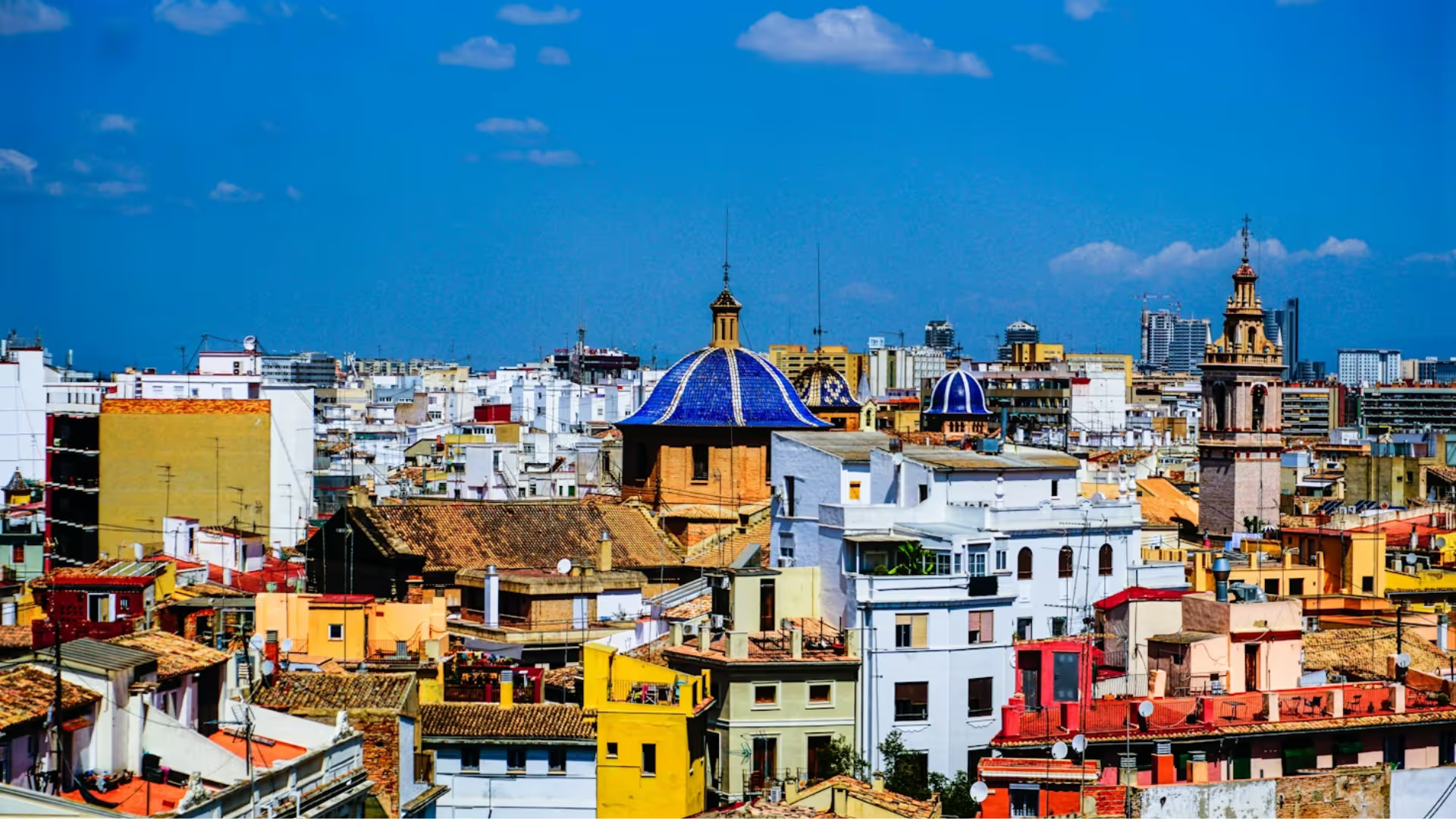
Why Travel the Unhotel Way?
Because travel should feel personal, not prescribed.
Crafted, Not Packaged
No fixed routes. No rushed days. We build each journey from scratch around your pace, your curiosities, and the kind of comfort you actually enjoy.
Local, Not Performative
We work with people who live the place, not just sell it. The best meals, stories, and small moments rarely sit on a brochure.
Calm, End-to End Planning
Behind an easy day is deep research and trusted partners. We handle the moving parts, so you stay present and travel without friction.
Our Gallery
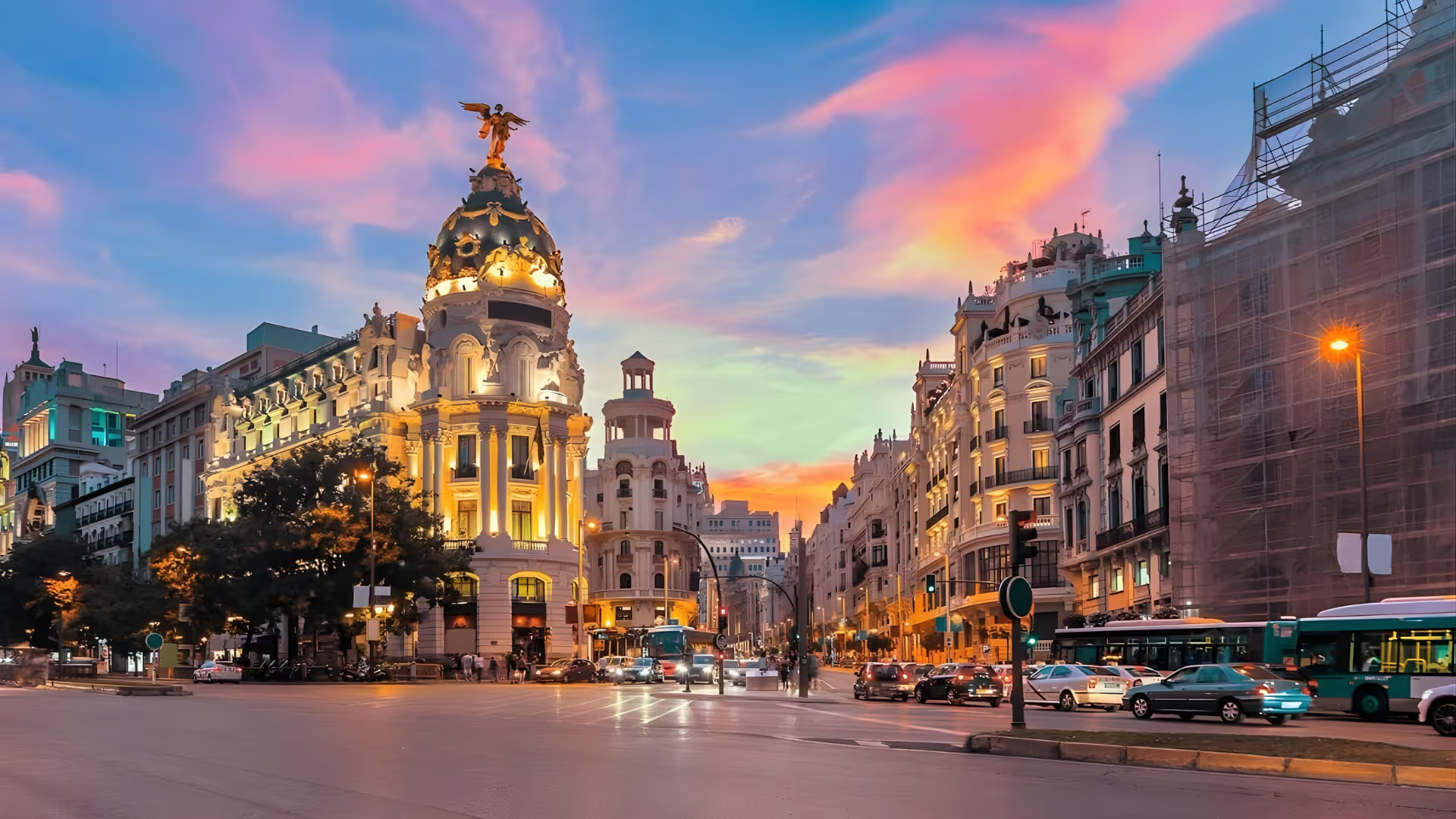
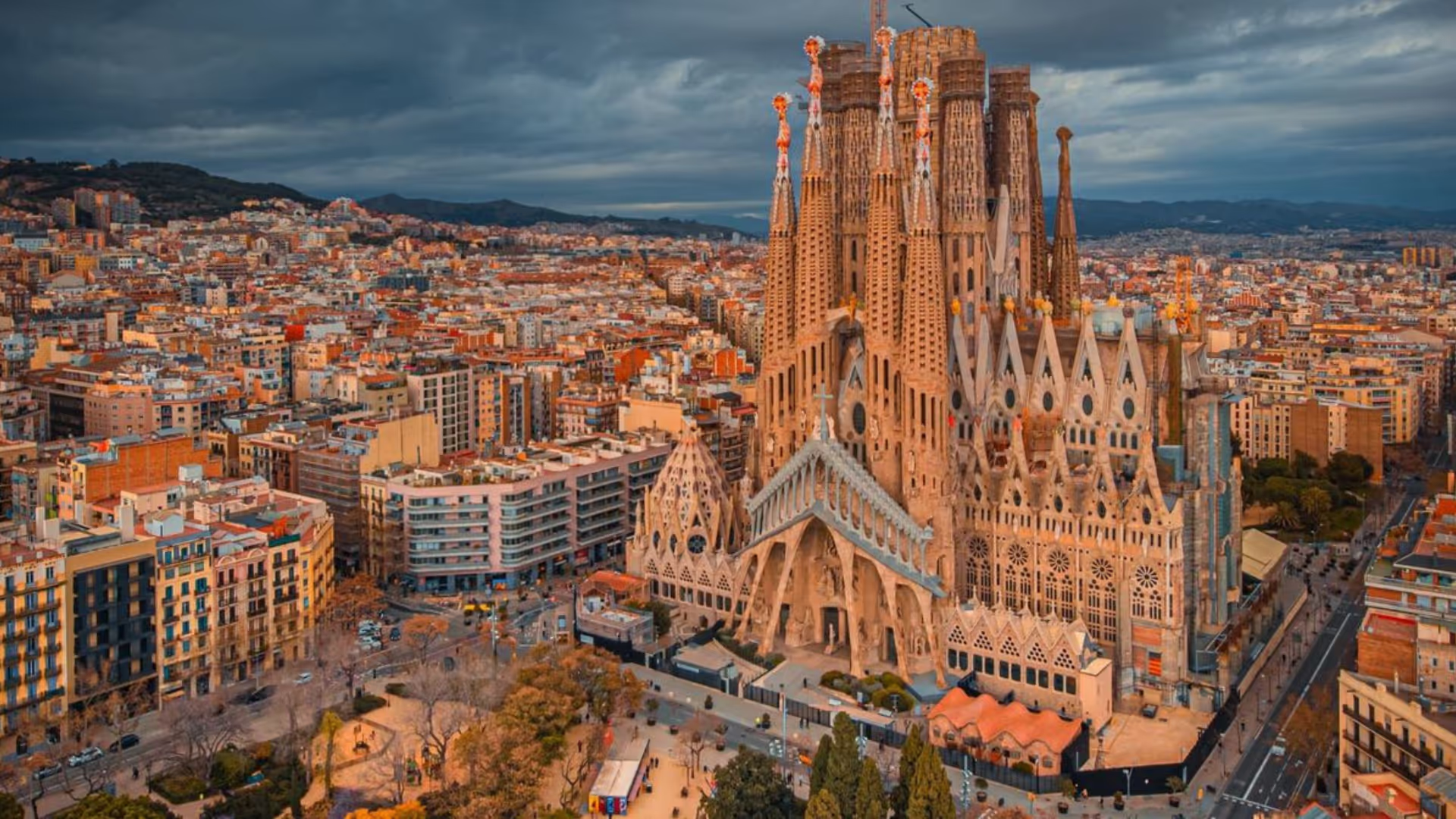
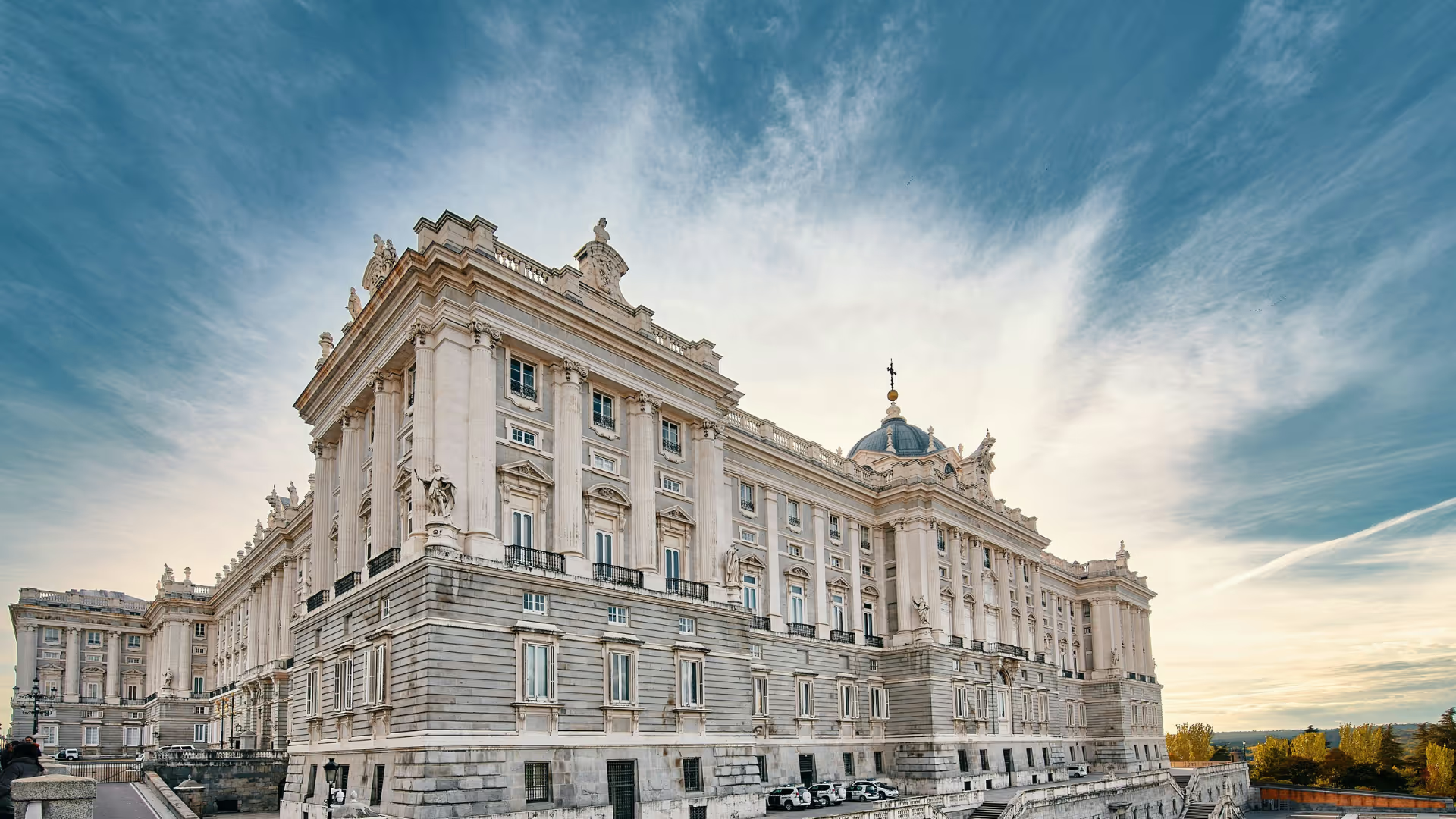
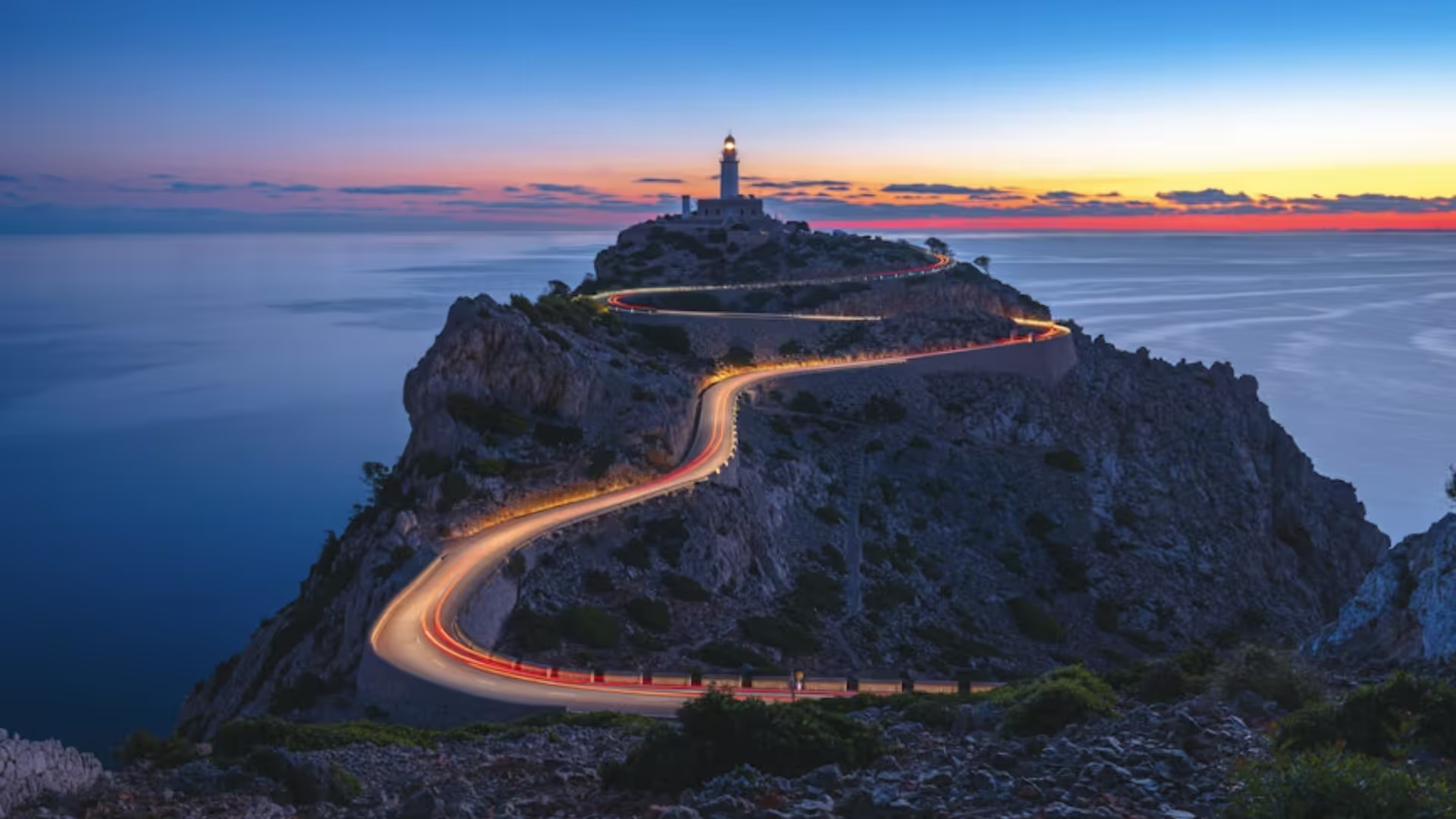
Real experiences, real places - captured along the journey.
What Our Clients Say
Journeys remembered not in miles, but in moments.
Subscribe to stay inspired.
Stories, ideas, and slow journeys - from hidden villages to distant valleys, straight to your inbox.
.avif)